When most people think about a pawn shop, they think in practical terms. Buying. Selling. Loans. Good deals. Quick cash.
What they don’t always think about is something far more meaningful.
Memories.
Yet every day, pawn shops quietly play a role in creating moments that last far beyond the purchase itself. A simple visit can turn into a tradition. An unexpected find can become the centerpiece of a hobby. A small purchase can spark connection, curiosity, and shared experiences that stay with people for years.
At Pawn Central, we’ve seen this happen time and time again — not because we set out to create memories, but because pawn shops naturally invite discovery, conversation, and storytelling.
The Magic of Browsing Without a Plan
There’s something special about walking into a place where every shelf tells a different story.
Unlike traditional retail stores, pawn shops aren’t built around uniform inventory or predictable layouts. Each visit feels a little different. One day you might notice vintage coins. Another day, collectible memorabilia. The next, sporting gear that reminds you of something you used to love — or something you’ve always wanted to try.
That sense of exploration turns browsing into an experience.
People often come in “just to look,” without any specific item in mind. Parents wander with their kids. Couples stroll through together. Friends point things out to one another. Conversations start naturally:
“Did you ever have one of these?”
“My dad used to collect those.”
“I always wanted to learn how to do this.”
Those moments matter. They slow life down. They invite connection.
And sometimes, they change the course of an ordinary afternoon.
When a Simple Find Becomes a Shared Experience
Many of the items found in pawn shops aren’t flashy or trendy — but they have purpose.
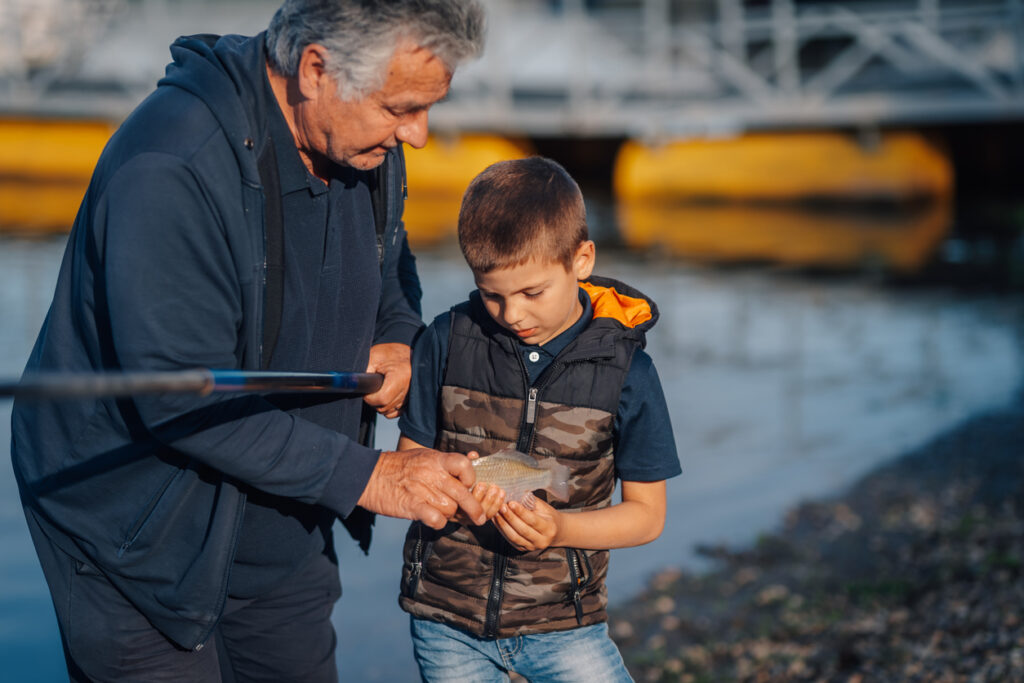
Sporting goods, for example, have a way of pulling people outside and bringing them together. A fishing rod doesn’t just catch fish. It creates quiet mornings by the water. A tackle box isn’t just storage — it’s an invitation to talk, teach, and learn.
The same is true for things like baseball gloves, tennis rackets, archery equipment, or camping gear. These items don’t sit on shelves forever. They get used. They become part of routines, traditions, and relationships.
What starts as a purchase often turns into time spent together — and that’s where memories are made.
Pawn Shops as Gateways to Hobbies and Passions
Pawn shops are often the starting point for hobbies people never expected to pursue.
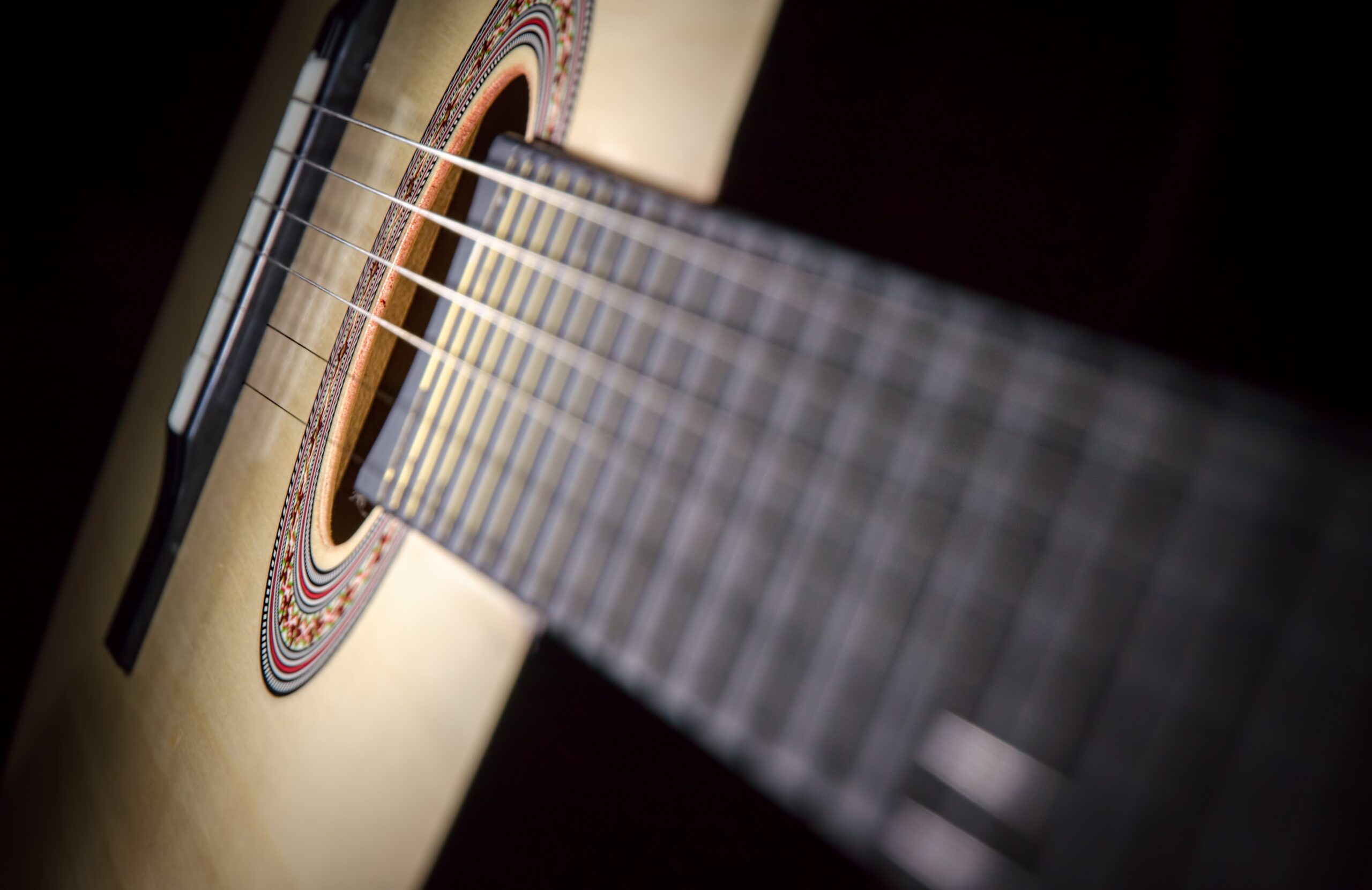
Someone spots a guitar and remembers playing as a teenager. Another person notices a camera and decides to try photography. A child sees a chess set, a coin collection, or a model kit and becomes curious.
Because pawn shops offer affordable access to quality items, people feel free to explore without pressure. They can try something new without a major investment. They can rediscover something old without starting from scratch.
That freedom creates opportunity — and opportunity leads to experiences.
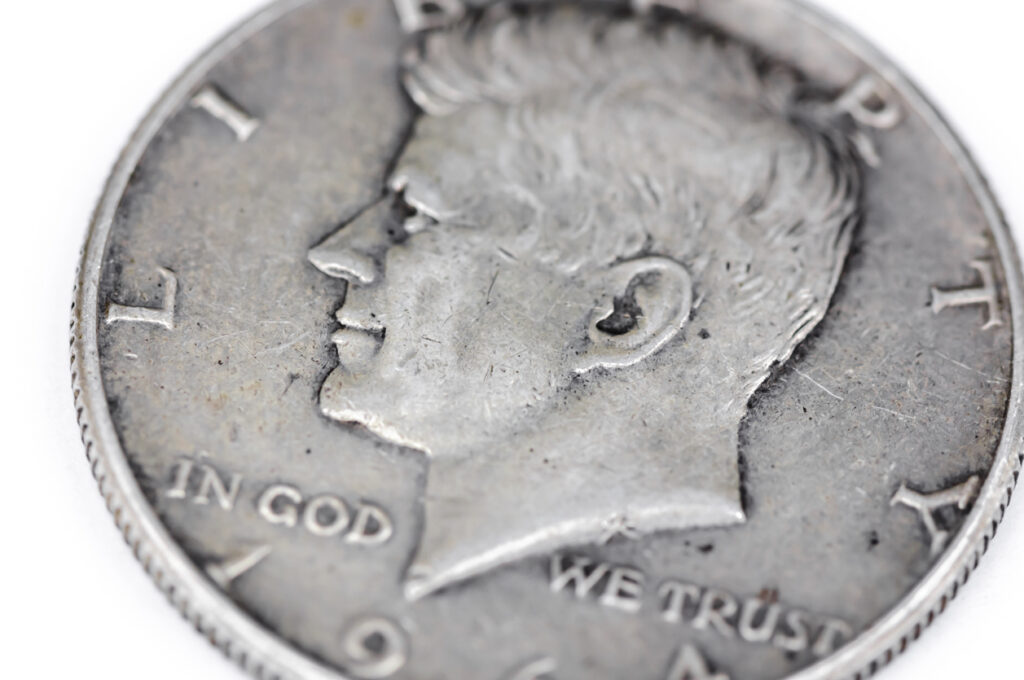
Coins: Small Objects, Big Stories
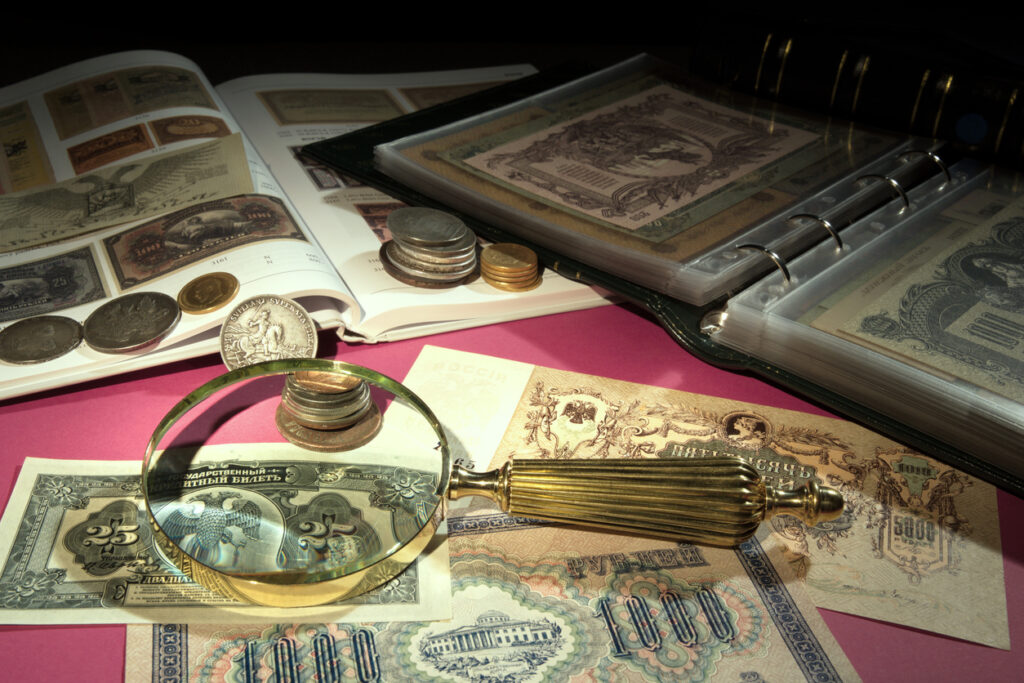
Coins are one of the most fascinating categories found in pawn shops.
To some, they’re simply metal. To others, they’re history in the palm of your hand.
A single coin can represent a specific moment in time, a change in leadership, an economic shift, or a piece of craftsmanship that no longer exists today. Collecting coins often starts unexpectedly — someone notices a display, asks a question, or remembers a relative who once collected.
From there, curiosity takes over.
People learn about dates, mint marks, grading, and condition. They begin to understand the difference between silver value and collectible value. They start looking closer, asking better questions, and appreciating the detail behind each piece.
Coin collecting isn’t just about value. It’s about learning, patience, and connection — often shared across generations.
Collectibles That Connect Generations
Pawn shops are filled with items that bridge the past and present.
Vintage watches. Old tools. Military memorabilia. Sports cards. Antiques. Retro electronics. Musical instruments with character and history.
These items spark stories.
A grandparent explains how something was used. A parent shares a memory from childhood. A child listens, asks questions, and learns something new — not from a screen, but from a tangible object with a past.
That’s something modern retail can’t replicate.
Pawn shops preserve pieces of everyday history, giving them new life in new hands. And when those pieces become conversation starters, they become memory makers.
Why Discovery Matters More Than the Deal
Of course, people love pawn shops for the deals — and rightly so. Finding quality items at affordable prices is part of the appeal.
But the real value often goes beyond price.
It’s the thrill of discovering something unexpected.
It’s the satisfaction of finding exactly what you didn’t know you were looking for.
It’s the joy of walking out with an item that feels personal, meaningful, or exciting.
That emotional connection is what turns a simple purchase into a story worth telling.
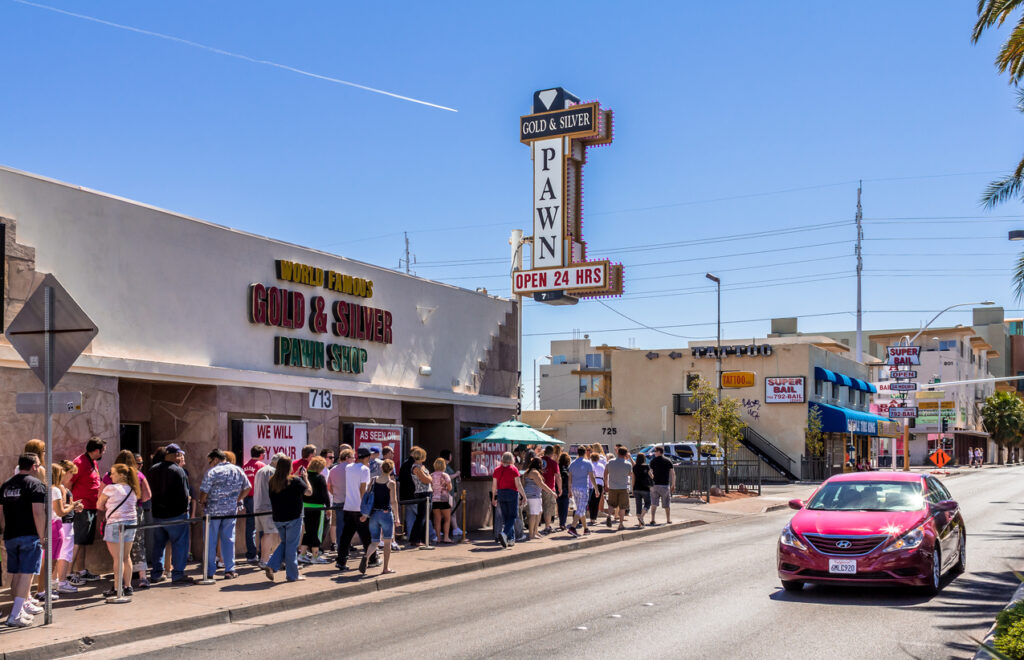
Pawn Shops as Community Spaces
Pawn shops are deeply local. They reflect the communities they serve.
The items on the shelves come from neighbors, families, and local histories. The people browsing often recognize one another. Conversations happen naturally. Advice is shared. Knowledge is passed along.
Over time, these spaces become familiar — not just places to transact, but places to connect.
People return not only because they need something, but because they enjoy the experience of being there. They like browsing. They like learning. They like the sense of possibility.
Affordable Access to Meaningful Moments
In today’s world, many experiences feel expensive or out of reach.
Pawn shops quietly offer an alternative.
They provide access to hobbies, collectibles, and recreational gear without the high price tags that often discourage people from trying something new. That accessibility matters — especially for families, students, and anyone navigating tight budgets.
Memories don’t have to be expensive to be meaningful.
Sometimes they start with a modest purchase and grow through time spent together, skills learned, or traditions formed.
From Objects to Opportunities
It’s easy to think of pawn shop inventory as “stuff.”
But in reality, these items are opportunities.
Opportunities to:
- Spend time outdoors
- Learn a new skill
- Start a collection
- Reconnect with a past interest
- Share knowledge across generations
- Create traditions
- Slow down and be present
When viewed through that lens, pawn shops become places of possibility.
Why People Come Back — Even When They’re Not Shopping
One of the most telling signs of a meaningful space is when people return without a specific need.
They come back to browse.
They come back to see what’s new.
They come back to share a story.
They come back because it feels familiar.
That’s something you can’t manufacture — it happens naturally when people associate a place with positive experiences.
Making Memories Isn’t Accidental — It’s Organic
Pawn shops don’t set out to create memories.
They simply provide the environment where memories can happen.
An environment filled with:
- Variety
- History
- Conversation
- Discovery
- Affordability
- Human connection
When those elements come together, meaningful moments follow.
Every Visit Holds Potential
You never know what you’ll find when you walk into a pawn shop.
It might be a collectible that sparks a new interest.
It might be a tool that helps you build something meaningful.
It might be a piece of history that leads to hours of learning.
It might be an item that brings people together.
Or it might be the beginning of a story you’ll tell for years.

More Than a Shop — A Place Where Stories Begin
At its core, a pawn shop is about people.
People bringing in pieces of their past.
People discovering something new.
People connecting through shared interests.
People creating memories in unexpected ways.
At Pawn Central, we believe that’s what truly sets pawn shops apart.
Not just the inventory.
Not just the deals.
But the stories that start the moment someone walks through the door.
So the next time you stop in, take your time. Browse. Ask questions. Share a story. Explore something new.
You might walk in looking for an item — and walk out with the beginning of a memory you didn’t see coming.