Pawn Shop Laws, Safety, and the Truth Behind the Myths: Why Modern Pawn Shops Are One of the Safest Places to Buy and Sell

Pawn shops often get misunderstood. To some people, they still carry an outdated image shaped by movies or old stories—dark corners, questionable goods, and risky transactions. The reality is very different today. Modern pawn shops operate under strict laws, detailed reporting requirements, and close partnerships with law enforcement that make them one of the most regulated retail environments in the country.

Whether you’re buying, selling, or taking out a loan, pawn shops are designed to protect both customers and communities. In fact, the system is built around transparency and accountability in a way that many traditional retail environments simply are not.

Let’s take a deeper look at pawn shop laws, how legislation works, how pawn shops collaborate with police, and why shopping at a pawn shop can actually be one of the safest and smartest ways to buy valuable goods today.

Safe pawn shops

What Pawn Shops Actually Are (And What They’re Not)

At their core, pawn shops are regulated financial institutions that provide collateral loans and resale opportunities. A customer can bring in an item of value—such as jewelry, tools, electronics, or collectibles—and receive a loan based on that item’s worth. If the loan is repaid, the item is returned. If not, the shop legally retains ownership and resells it.

This system has existed for centuries, but today it is tightly controlled by state and local laws.

Pawn shops are NOT flea markets, informal resellers, or unregulated secondhand stores. They are licensed businesses operating under financial, criminal, and consumer protection laws.

What Pawn Shops Actually Are (And What They’re Not)

At their core, pawn shops are regulated financial institutions that provide collateral loans and resale opportunities. A customer can bring in an item of value—such as jewelry, tools, electronics, or collectibles—and receive a loan based on that item’s worth. If the loan is repaid, the item is returned. If not, the shop legally retains ownership and resells it.

This system has existed for centuries, but today it is tightly controlled by state and local laws.

Pawn shops are NOT flea markets, informal resellers, or unregulated secondhand stores. They are licensed businesses operating under financial, criminal, and consumer protection laws.

Strong Regulation at the State and Local Level

Pawn shop regulations vary by state, but they all share a common goal: preventing theft, ensuring transparency, and protecting consumers.

Most states require pawn shops to:

  • Obtain a special pawnbroker license
  • Conduct background checks on owners and employees
  • Maintain detailed transaction records
  • Report all transactions daily to law enforcement databases
  • Hold items for a mandatory “holding period” before resale
  • Verify customer identification for every transaction

These rules are not optional—they are enforced through regular audits, inspections, and penalties for non-compliance.

In many states, pawn shops must submit detailed electronic reports of every item they buy or loan against. These reports are automatically checked against stolen property databases.

The Role of Law Enforcement: A Built-In Safety Net

One of the most important—and least understood—parts of the pawn industry is its direct connection to law enforcement.

Pawn shops are required to report every transaction to police databases, often daily or even in real time. These systems allow officers to quickly identify stolen property and recover it.

Here’s how it works:

  1. A customer brings in an item to pawn or sell
  2. The shop records detailed information: serial numbers, descriptions, ID, and transaction details
  3. This information is automatically submitted to law enforcement systems
  4. Police can cross-check stolen property reports
  5. If a match is found, the item is flagged and investigated

This system has helped recover millions of dollars in stolen property over the years.

Pawn shops are not hiding places for stolen goods—they are one of the fastest ways for stolen items to be identified and returned.

Holding Periods: Built-In Protection for Everyone

Another key safety feature is the mandatory holding period.

Before a pawn shop can resell an item, it must be held for a specific number of days—often 10 to 30 depending on state law. This gives law enforcement time to:

  • Identify stolen goods
  • Contact the shop
  • Retrieve the property if necessary

This waiting period protects both customers and the public. It ensures that nothing moves too quickly into resale without oversight.
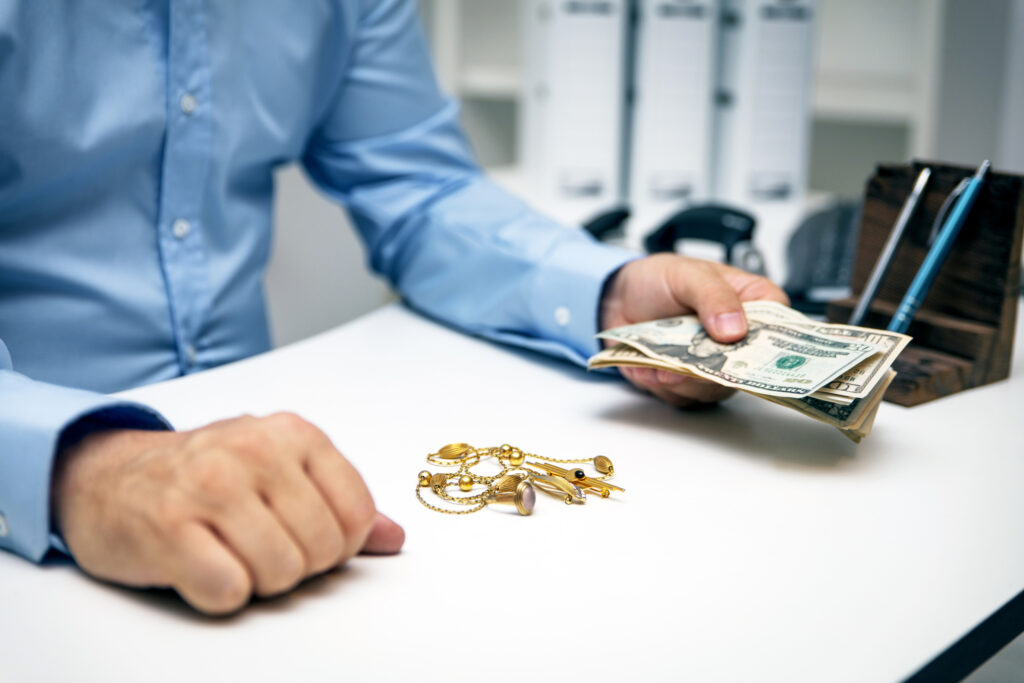
Modern Pawn Shops

ID Verification and Transaction Tracking

Every legitimate pawn transaction requires government-issued identification. Shops must record:

  • Name
  • Address
  • ID number
  • Physical description of the item
  • Serial numbers (if available)
  • Date and time of transaction

This creates a traceable paper trail that connects every item to a verified individual.

That level of accountability is far stronger than many online marketplaces or informal resale platforms.

Common Myths About Pawn Shops

Despite strict regulations, pawn shops still face outdated stereotypes. Let’s address some of the most common myths.

Myth 1: Pawn shops sell stolen goods

This is one of the biggest misconceptions. In reality, pawn shops are among the most heavily monitored resale environments in existence. Because every item is reported to law enforcement databases, stolen goods are usually identified quickly.

Myth 2: Pawn shops are unsafe or sketchy

Modern pawn shops are licensed, insured, and regularly inspected. Many operate like retail stores, with cameras, security systems, and trained staff. They are often safer than unregulated online transactions.

Myth 3: Prices are unfair or deceptive

Pawn shops are competitive retail environments. Many items are priced below traditional retail, and customers can often negotiate. Unlike retail stores, pawn shops deal in both new and pre-owned goods, giving buyers more flexibility and value.

Myth 4: Only “desperate” people use pawn shops

Pawn shops are used by a wide range of customers—collectors, bargain hunters, small business owners, and everyday shoppers. Many people use pawn loans as short-term financial tools without affecting their credit.
Pawn Shop Near Me

Why Pawn Shops Are Safe Places to Buy

Safety in retail comes down to three things: transparency, accountability, and regulation. Pawn shops excel in all three.

When you buy from a pawn shop, you benefit from:

  • Verified inventory tracking
  • Law enforcement reporting systems
  • Staff trained in identification and authentication
  • Physical inspection of every item
  • Clear pricing and return policies (varies by store/state)

Unlike many online marketplaces, you can see, touch, and inspect the item before buying it. There’s no guessing about condition or authenticity.

The Problem with Retail Pricing

One of the biggest financial advantages of pawn shopping is simple: you are not paying full retail markup.

Traditional retail stores often include multiple layers of cost:

  • Manufacturer markup
  • Distributor markup
  • Brand marketing
  • Store overhead
  • Seasonal pricing adjustments

By the time a product reaches a retail shelf, its price may be significantly higher than its actual production value.

Pawn shops remove many of those layers. You’re often buying:

  • Pre-owned goods in excellent condition
  • Overstock or discontinued items
  • Gently used luxury goods
  • Tools, electronics, and collectibles at reduced prices

The result is better value for the customer without sacrificing quality.

How Pawn Shops Support Local Communities

Pawn shops also play an important role in local economies. They:

  • Provide short-term financial assistance without credit checks
  • Offer affordable alternatives to retail shopping
  • Circulate money within the community
  • Help recover stolen property for victims
  • Create local jobs

In many cases, pawn shops serve as financial lifelines for individuals who need quick, flexible access to cash.

The Role of Modern Technology in Pawn Safety

Today’s pawn shops are not operating on paper logs and guesswork. Most use advanced software systems that:

  • Track inventory with barcodes and serial numbers
  • Automatically report transactions to law enforcement
  • Flag suspicious activity
  • Store digital records for years
  • Cross-reference stolen item databases

This technology dramatically reduces fraud and improves accuracy.

Pawn Central Macomb

Why Buying at a Pawn Shop Makes Sense

When you combine regulation, law enforcement oversight, and real-world pricing advantages, pawn shops offer a unique shopping experience:

  • Lower prices than retail
  • High accountability
  • Verified secondhand goods
  • Opportunity to inspect before buying
  • Constantly changing inventory
  • Strong consumer protection laws

For many buyers, the question becomes: why pay more at retail when you can shop safely and smartly at a pawn shop?

Final Thoughts

Pawn shops today are nothing like the outdated stereotypes people still imagine. They are highly regulated, closely monitored, and deeply integrated with law enforcement systems designed to protect both consumers and communities.

Far from being unsafe, pawn shops are among the most transparent resale environments available. Every transaction is recorded, every item is traceable, and every shop operates under strict legal guidelines.

When you shop at a pawn shop, you’re not taking a risk—you’re making an informed, value-driven choice in a system built for accountability.

In a world where online scams, counterfeit goods, and inflated retail pricing are increasingly common, pawn shops offer something simple and powerful: real value with real oversight.


Buy, Sell, Pawn

Loan and Selling Process

Our loan and selling process is straightforward and hassle-free. When you bring an item to Pawn Central, our expert team will assess its value and offer you a fair loan amount or purchase price. You can pawn your item for a short-term loan or sell it outright. We’ll walk you through the terms and conditions of the transaction, ensuring that you’re fully informed every step of the way.

Interest Rates and Fees

Transparency is key at Pawn Central, which is why we strive to be upfront about our interest rates and fees. Our rates are competitive, and we don’t    believe in springing hidden charges on our customers. We’ll clearly outline any fees associated with your transaction, allowing you to make an informed decision without any surprises.

Item Evaluation

When it comes to evaluating items, our team of experts has years of experience and knowledge to draw upon. We consider various factors, such as the item’s condition, brand, market demand, and intrinsic value. Whether you’re pawning a rare gemstone or a high-end gaming system, you can trust that you’ll receive a fair and accurate assessment.

Security and Privacy

At Pawn Central, we prioritize the security of your items and the privacy of your personal information. Our facilities are equipped with state-of-the-art security measures to safeguard your belongings while they’re in our possession. Additionally, we adhere to strict privacy protocols to ensure that your data remains confidential at all times.

Buy, Sell, Pawn

Customer Reviews and Reputation

Don’t just take our word for it—see what our customers have to say! At Pawn Central, we pride ourselves in our stellar reputation and the positive feedback we receive from satisfied clients. Whether you’re browsing online reviews or asking around in the community, you’ll find that our commitment to excellence sets us apart from the competition.

Legal Compliance

Rest assured Pawn Central operates in full compliance with all relevant regulations and laws. We adhere to strict licensing requirements and uphold the highest standards of integrity and ethics in all our dealings. When you choose Pawn Central, you can trust that you’re working with a trustworthy and honest establishment.

Additional Services

In addition to our pawn services, Pawn Central offers a range of additional services to meet your needs. Whether you need jewelry repair, firearm sales, or layaway plans, we’ve got you covered. Our goal is to provide you with a seamless and convenient experience from start to finish.

Thank you for taking the time to learn more about Pawn Central and what sets us apart as your premier pawn destination across Gatesburg, IL, Rock Island, IL, and Clinton, IA. With our convenient locations, extensive range of accepted items, transparent processes, and commitment to customer satisfaction, we’re confident you’ll find everything you’re looking for and more at Pawn Central. Visit us today and experience the Pawn Central difference for yourself!

String Maintenance and Replacement on Your New or Pre Owned Guitar

The strings are an integral part of your guitar’s playability and sound. Learning when and how to change them will ensure your guitar continues to deliver its best performance.
When it comes to maintaining your guitar, one of the most important aspects is string maintenance and replacement. Strings gradually lose their brightness and tonal quality over time, affecting your guitar’s sound and playability. It’s crucial to understand when and why you should change your guitar strings.

When and Why to Change Guitar Strings

As a general guideline, consider changing your strings every 2-3 months or more frequently if you play regularly or notice signs of wear and tear. Over time, strings can become worn out, losing their elasticity and tonal characteristics. This can lead to a dull and lifeless sound, affecting your playing experience. By changing your strings regularly, you can ensure your guitar always sounds its best.

There are several signs that it’s time to change your guitar strings. One of the most obvious signs is rust or discoloration on the strings. This can occur due to exposure to moisture or sweat from your hands. Rusty or discolored strings not only affect the sound quality, but can also cause discomfort while playing. Additionally, if you notice your strings have lost their elasticity and feel stiff, it’s a clear indication they need to be replaced.

Another factor to consider is the loss of brightness and tonal quality. Over time, strings can become dull and lose their initial sparkle. This can greatly impact the sound of your guitar, making it sound muted or lackluster. By changing your strings regularly, you can maintain a bright and vibrant sound, enhancing your playing experience.

Choosing the Right Strings for Your Guitar

When selecting new strings for your guitar, it’s essential to consider various factors to find the perfect match for your playing style and desired sound. One of the crucial factors to consider is the musical genre you play. Different genres require different tonal characteristics, and choosing the right strings can help you achieve the desired sound. For example, if you play blues or jazz, you may prefer strings that offer a warm and mellow tone. On the other hand, if you play rock or metal, you may opt for strings that provide a bright and aggressive tone.

String gauge is another important consideration. The gauge refers to the thickness of the strings. Lighter gauge strings are easier to bend and are ideal for players who prefer a more flexible feel. On the other hand, heavier gauge strings offer more resistance and are suitable for players who prefer a thicker tone and increased sustain. Experimenting with different gauges can help you find the perfect balance between playability and tone.

Lastly, the choice of string material can greatly impact the sound of your guitar. Common string materials include nickel-plated steel, pure nickel, stainless steel, and bronze. Each material offers its own unique tonal characteristics, and finding the right material can help you achieve your desired sound. For example, nickel-plated steel strings are known for their bright and balanced tone, while pure nickel strings offer a warmer and vintage sound.

Maintaining and replacing your guitar strings is an essential aspect of guitar care. By understanding when and why to change your strings, and considering factors such as musical genre, string gauge, and material, you can ensure that your guitar always delivers its best performance. So, take the time to care for your strings, and you’ll be rewarded with a guitar that sounds and feels amazing every time you play.

Fretboard Care and Maintenance

The fret board is the interface between your fingers and the strings. Keeping it clean and properly maintained is essential for smooth playability and prolonged fret life.

When it comes to caring for your fret board, there are a few key steps to ensure its longevity and optimal performance. Regularly cleaning your fret board ensures optimal performance, but also enhances its visual appeal. Begin by removing any dirt or grime using a soft cloth or specialized fret board cleaner. This will help prevent buildup and keep your fret board looking and feeling its best.

For unfinished and rosewood fret boards, consider using lemon oil to moisturize and condition the wood. Lemon oil is a popular choice for fret board care, as it helps replenish the natural oils in the wood, keeping it hydrated and preventing it from drying out. However, it’s important to be cautious not to apply excessive oil or use it on maple fret boards, as it can cause damage.

In addition to regular cleaning and oiling, it’s also important to pay attention to the condition of your frets. Over time, guitar frets can develop wear and unevenness, affecting intonation and playability. It’s beneficial to inspect your frets periodically for signs of wear, and consider having them leveled, crowned, or even replaced by a professional guitar technician.

Having your frets leveled involves removing any high spots and ensuring the entire fret board is level, allowing smooth and consistent playability across all frets. Crowning the frets involves reshaping the tops of the frets to create a rounded profile, which helps improve intonation and reduce buzzing. In some cases, if the frets are severely worn or damaged, it may be necessary to have them replaced entirely.

By taking the time to properly care for your fret board and maintain your frets, you can ensure that your guitar continues to perform at its best. Regular cleaning and oiling will help prevent dirt and grime buildup, while fret maintenance will ensure optimal playability and proper intonation across the entire neck.

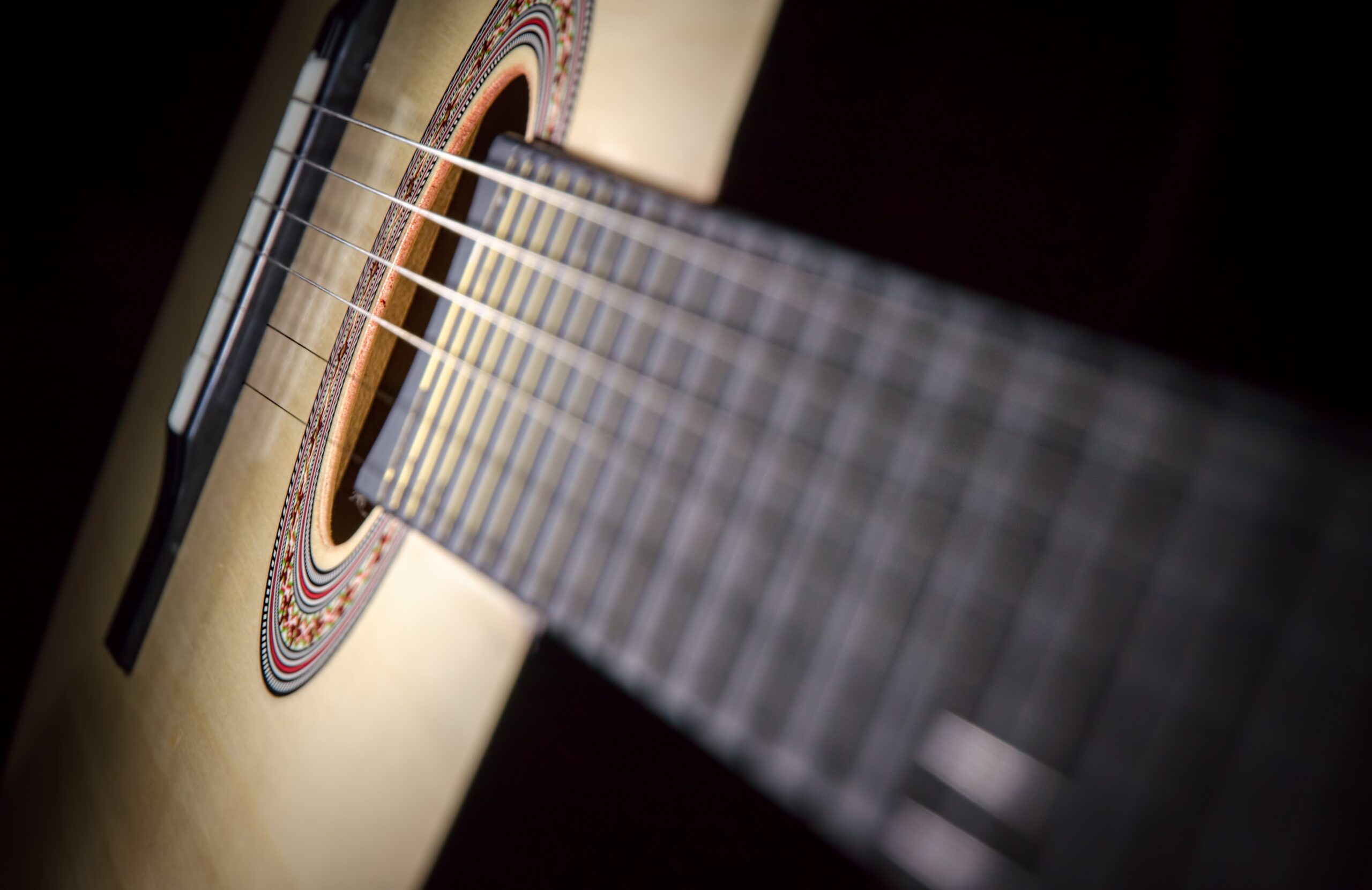
Pre owned guitar

Regular Guitar Check-ups and Professional Services

Keeping your guitar in top shape is crucial for maintaining its playability and longevity. While regular maintenance practices can prevent many issues, there are times when seeking professional help is necessary to address more complex problems or perform advanced adjustments.

Regular guitar check-ups are recommended to ensure your instrument is in optimal condition. During these check-ups, a professional guitar technician will inspect various components of your guitar, including the neck, frets, bridge, and electronics. They will also clean and lubricate the necessary parts to ensure smooth operation.

When to Seek Professional Help

If you encounter issues beyond your expertise or notice significant problems with your guitar, it’s wise to consult a professional guitar technician. They have the knowledge and experience to diagnose and repair issues that may be difficult to tackle on your own.

One common issue that may require professional help is fret buzz. Fret buzz occurs when the strings make unwanted buzzing sounds against the frets, causing a decrease in sound quality. A professional technician can identify the cause of the fret buzz, which can be due to uneven frets, a warped neck, or improper string height, and make the necessary adjustments to eliminate the problem.

Another area where professional help may be needed is truss rod adjustments. The truss rod is a metal rod that runs through the neck of the guitar and helps counteract the tension of the strings.

If the neck of your guitar is too straight or has too much bow, it can affect the playability and intonation. A professional technician can assess the neck’s condition and make precise truss rod adjustments to ensure optimal playability.

Electronics troubleshooting is another task best left to professionals. If you’re experiencing issues with your guitar’s pickups, volume or tone controls, or output jack, a technician can diagnose the problem and repair or replace the faulty components.

They have the tools and expertise to handle delicate electronic circuits and ensure that your guitar’s electronics are functioning properly.

DIY vs. Professional Guitar Maintenance

For routine maintenance and basic adjustments, many guitarists prefer to do it themselves. It can be rewarding to learn how to change strings, adjust the action, or set the intonation of your guitar. However, it’s essential to understand your limitations and seek professional assistance when needed.

Some tasks, such as major repairs or intricate setups, should be left to experienced technicians to avoid compromising the functionality and value of your guitar. For example, if your guitar has a cracked neck or loose brace inside the body, it’s best to consult a professional who can assess the damage and perform the necessary repairs with precision and expertise.

Additionally, if you own a vintage or high-end guitar, it’s advisable to have it serviced by a professional technician who specializes in these instruments. They have the knowledge and experience to handle delicate finishes and unique construction methods, ensuring that your valuable instrument is well taken care of.

In conclusion, while you can do some guitar maintenance tasks, seeking professional help is crucial for addressing complex issues and performing advanced adjustments. A professional guitar technician can diagnose and repair problems beyond your expertise, ensuring your guitar remains in optimal condition and continues to bring you joy for years to come.

Looking for quality pre-owned guitars? Look no further than Pawn Central! With stores in Clinton, Iowa and Rock Island and Clinton, IL, Pawn Central is your go-to destination for a wide selection of pre-owned guitars. What sets them apart is our team of pawn brokers who specialize in musical instruments and guitars. They have the expertise and knowledge to help you find the perfect guitar for your needs. Whether you’re a beginner or seasoned musician, Pawn Central has the right instrument for you. Visit us today and discover the joy of playing a quality pre-owned guitar.

Making Guitar Maintenance a Habit

Caring for your guitar is a responsibility that rewards you with enhanced playability, improved sound, and increased longevity. By utilizing the tips and techniques outlined in this blog, you can develop a regular maintenance routine that keeps your guitar in the best possible condition.