When most people think about getting more value from the things they own, a pawn shop may not be the first place that comes to mind. But that is changing.
Today’s pawn shops serve several purposes at once. They are places to find affordable pre-owned merchandise, sell items that are no longer being used, and access short-term pawn loans using eligible property as collateral.
For customers in Illinois and Iowa, Pawn Central offers all three.
Whether you’re searching for jewelry at a better price, wondering what your gold might be worth, trying to turn unused electronics into cash, or considering a pawn loan for an unexpected expense, understanding how a pawn shop works can help you make a more informed financial decision.
Pawn Central serves customers from its locations in Galesburg and Rock Island, Illinois, and Clinton, Iowa, offering a local option for people looking to buy, sell, or pawn a variety of merchandise.
So, which option makes sense for you?
Let’s explore how buying, selling, and pawning work—and why your local pawn shop may be more useful than you realize.
More Than Pawn Loans: Understanding the Modern Pawn Shop
One of the biggest misconceptions about pawn shops is that they’re only places to borrow money.
Pawn loans are certainly an important part of the business, but they’re only one service.
A pawn shop is also a resale marketplace.
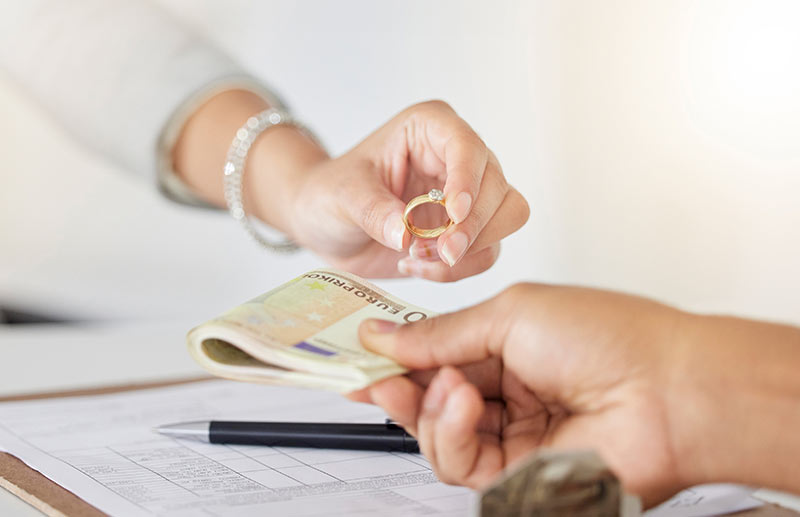
People bring in items they no longer need or use. Some choose to sell those items. Others use eligible merchandise as collateral for pawn loans.
The store can then offer purchased or otherwise available merchandise to customers looking for quality pre-owned products.
That creates an interesting cycle.
One customer may be looking to sell a gold chain.
Another may be searching for a gold chain.
Pawn Central can help connect the two sides of that marketplace.
And because merchandise changes regularly, every trip to the store can offer something different.
Buying at Pawn Central: Why Pay Full Retail If You Don’t Have To?
There are times when buying brand-new makes sense.
But there are also plenty of products where purchasing pre-owned can offer excellent value.
Jewelry is a great example.
A gold bracelet doesn’t stop being gold because someone owned it before you. A diamond doesn’t suddenly lose its sparkle. A quality watch can continue working and looking great for years.
Yet new merchandise frequently carries costs associated with manufacturing, distribution, advertising, packaging, and traditional retail markup.
When you shop pre-owned, you may be able to put more of your budget toward the product itself.
That is why customers searching for affordable jewelry, pre-owned electronics, tools, musical instruments, watches, and other merchandise should consider checking a local pawn shop before automatically buying new.
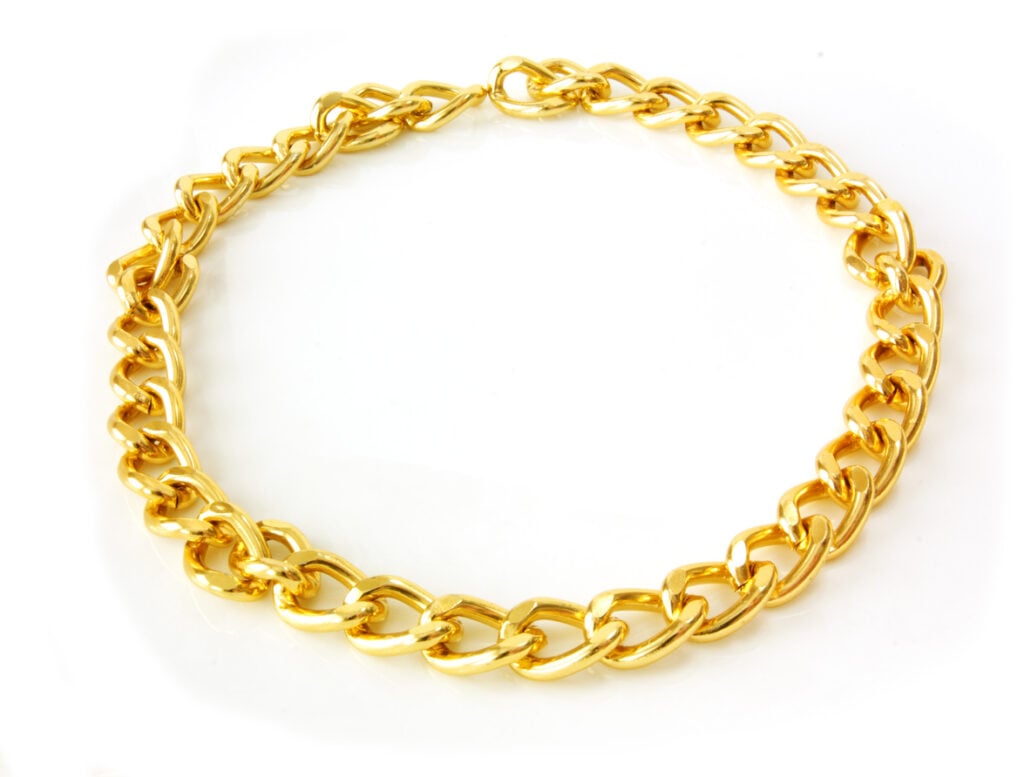
Pawn Shop Jewelry Can Be One of the Best-Kept Secrets
Jewelry is one category where pawn shopping can really shine.
Fine jewelry is designed to last.
Gold, silver, diamonds, and many gemstones can remain valuable and beautiful for generations.
Yet consumers sometimes assume they need to visit a traditional jewelry retailer when shopping for:
- Gold chains
- Diamond rings
- Earrings
- Bracelets
- Pendants
- Watches
- Anniversary gifts
- Birthday gifts
- Engagement jewelry
A pawn shop may offer another option.
Pre-owned jewelry can provide an opportunity to purchase something beautiful while avoiding some of the pricing associated with brand-new retail jewelry.
There’s another advantage: selection.
Traditional jewelry stores typically carry merchandise based on current styles and collections.
Pawn shop inventory can represent decades of jewelry styles.
You might find something modern during one visit and a unique older piece the next.
If you like jewelry with character, pawn shopping can be especially rewarding.
Shopping a Pawn Shop Is Like a Treasure Hunt
Pawn Central’s inventory isn’t supposed to look exactly the same every day.
That’s part of the fun.
Unlike large retailers that order hundreds of identical products, pawn shop inventory is influenced by what people in the local community bring through the door.
That means shoppers may discover merchandise they weren’t expecting.
You might walk in looking for a tool and notice a guitar.
You could be checking out electronics and discover a piece of jewelry that would make a perfect anniversary gift.
You might find a watch you haven’t seen available elsewhere.
There is no guarantee that a particular pre-owned item will still be there next week.
For shoppers who enjoy finding interesting merchandise and unexpected values, visiting Pawn Central regularly can be worthwhile.
Buying Pre-Owned Can Stretch Your Budget
Value matters more than ever.
Consumers are paying closer attention to where their money goes, and buying pre-owned is one way to make a budget work harder.
Suppose you have $500 available for a purchase.
The question doesn’t always have to be:
“What can I buy new for $500?”
It can also be:
“What’s the best quality I can get for $500?”
Those are very different questions.
When shopping pre-owned merchandise, your budget may give you access to brands, materials, sizes, or features that could cost considerably more when purchased new.
That’s why it pays to compare.
Before making a major retail purchase, stop by Pawn Central and see what is available.
You might be surprised by what your money can buy.
Selling at Pawn Central: Turn Unused Items Into Cash
Now let’s look at the opposite side of the transaction.
Instead of purchasing something, perhaps you have things around your house that you’re no longer using.
Almost everyone does.
Open a few drawers.
Look through your jewelry box.
Check the garage.
Think about old hobbies.
Look at electronics you’ve replaced.
There may be value sitting around your home that you’ve almost forgotten about.
Selling unwanted merchandise to a pawn shop can be a practical way to convert unused belongings into cash.
What Could You Sell to a Pawn Shop?
The answer depends on the item, condition, current demand, and what the individual location accepts, but common pawn shop categories can include things such as:
- Gold and silver jewelry
- Diamond jewelry
- Watches
- Coins and precious metals
- Electronics
- Gaming systems
- Tools
- Musical instruments
- Collectibles
- Other merchandise with resale value
If you’re unsure whether Pawn Central is interested in your item, the easiest solution is to ask.
Don’t automatically assume something has no value simply because you don’t use it anymore.
Your Jewelry Box May Be Hiding Cash
Gold jewelry deserves special attention.
People accumulate jewelry throughout their lives.
Styles change.
Chains break.
Earrings lose their match.
Rings no longer fit.
Old relationships end.
Jewelry gets inherited.
Eventually, a surprising amount of gold can end up sitting untouched in a jewelry box.
You may have:
Broken gold chains.
Single earrings.
Old rings.
Bracelets you haven’t worn in years.
Outdated jewelry.
Inherited pieces that don’t match your style.
Instead of allowing unwanted gold to remain forgotten, you can bring it to Pawn Central and have it evaluated.
The value of gold jewelry can depend on several factors, including karat purity, weight, condition, design, and current precious-metal market conditions.
Don’t worry if you don’t know whether something is 10K, 14K, 18K, or another purity.
That’s where experienced pawn professionals come in.
Selling vs. Selling Online
Today there are dozens of ways to sell things yourself.
You can list merchandise on online marketplaces, social media, classified sites, or resale apps.
That can work.
But it isn’t always convenient.
First, you need to determine what your item might be worth.
Then you take pictures.
Write the listing.
Answer messages.
Respond to people asking whether the item is still available.
Deal with low offers.
Arrange a meeting.
Wait for someone who may or may not show up.
For valuable items, you also need to think about payment security and personal safety.
Shipping creates additional complications.
A pawn shop provides a more direct alternative.
Bring your item into the store, let the staff evaluate it, and hear an offer.
If you accept, you can complete the transaction without creating listings or waiting for a stranger to buy your item.
Convenience is one of the major reasons people choose to sell locally.
When Should You Sell an Item?
Selling usually makes the most sense when you no longer want the item.
Ask yourself:
“If I had cash instead of this item today, would I use the cash or buy this item again?”
If you would rather have the money, selling may be worth considering.
Maybe you upgraded your laptop.
Maybe you stopped playing guitar.
Perhaps the tools belonged to a hobby you’ve left behind.
Or you inherited jewelry that doesn’t have sentimental importance to you.
Selling can help turn yesterday’s possessions into money for today’s priorities.
Pawning: When You Need Cash but Want to Keep Your Property
Selling isn’t always the right answer.
Sometimes you need money, but you don’t want to permanently give up the item.
That’s where a pawn loan enters the picture.
A pawn loan uses eligible personal property as collateral.
Instead of permanently selling an item, you leave it with the pawn shop in exchange for a loan based on its value and the applicable loan terms.
If you repay the loan and associated charges according to the agreement, you can reclaim your property.
That makes pawning fundamentally different from selling.
Pawn or Sell? Ask Yourself This Question
If you’re standing at the counter trying to decide whether to pawn or sell, start with one simple question:
Do I want this item back?
If the answer is no, selling may be the better choice.
If the answer is yes, a pawn loan may be an option to consider.
Imagine you have two gold chains.
The first is something you purchased years ago and haven’t worn since.
You don’t particularly like it anymore.
Selling it may make sense.
The second belonged to someone important to you and has significant sentimental value.
You wouldn’t normally consider selling it.
If you need temporary cash and understand the loan terms, using the second item as collateral for a pawn loan may be an alternative to permanently selling it.
The objects may have similar monetary value, but their value to you is completely different.
That’s why understanding the distinction between selling and pawning matters.
How Does a Pawn Loan Work?
While specific terms vary and customers should always review their pawn agreement carefully, the basic process is straightforward.
You bring an eligible item into Pawn Central.
A pawn professional evaluates the merchandise.
The store determines how much it is willing to lend based on factors such as the item’s condition, resale value, and demand.
You review the offer and loan terms.
If you choose to proceed, the item remains with the pawn shop as collateral while you receive the loan proceeds.
You then follow the terms of the pawn agreement to redeem your merchandise.
Before accepting any pawn loan, make sure you understand the repayment requirements, fees, deadlines, and what happens if the loan isn’t redeemed.
Ask questions before signing.
Understanding your agreement is part of borrowing responsibly.
Why Pawn Loans Appeal to Some Customers
Pawn loans are different from many traditional borrowing options because they’re based primarily on the value of the collateral.
For some customers, that straightforward structure can be useful when they need access to short-term cash.
People may use pawn loans for all kinds of ordinary expenses:
A car repair.
An unexpected bill.
Groceries before payday.
A home repair.
School expenses.
Travel.
A temporary gap in cash flow.
The important thing is to consider the cost of the loan, understand the terms, and decide whether pawning makes sense for your circumstances.
The Experts Behind the Pawn Counter Matter
Buying, selling, and pawning all have something in common:
Someone needs to understand value.
That’s one of the most overlooked skills in the pawn industry.
Think about what pawn professionals may see during a normal week.
Gold.
Diamonds.
Coins.
Watches.
Electronics.
Tools.
Guitars.
Gaming equipment.
Collectibles.
Each category has different factors that determine value.
A gold item’s purity and weight matter.
A diamond’s characteristics matter.
The model and condition of an electronic device matter.
Brand can matter.
Age can matter.
Demand matters.
Accessories may matter.
Current market conditions can matter.
Experienced pawn professionals learn to evaluate merchandise based on multiple factors rather than simply looking at an item and guessing.
For customers, that expertise is useful whether you’re trying to understand something you already own or considering buying something from the store.
Bring the Extras When Selling or Pawning
If you’re bringing an item to Pawn Central, don’t forget accessories.
Sometimes the extras can make an item more complete and potentially more marketable.
For electronics, bring chargers and cables.
For tools, bring batteries and chargers when available.
For watches, bring boxes, extra links, paperwork, or accessories you still have.
For musical instruments, bring the case or relevant equipment.
For other specialty merchandise, bring documentation if available.
You don’t necessarily need original packaging to sell or pawn an item, but if you have it, bring it along.
Let the pawn professionals determine what matters.
Pawn Shops Support the Reuse Economy
There’s another benefit to buying and selling through pawn shops that often gets overlooked.
Good products get another life.
Think about the resources required to manufacture new electronics, jewelry, tools, musical instruments, and other consumer goods.
Now think about how many perfectly useful items are sitting unused in American homes.
Pawn shops help put some of those products back into circulation.
A guitar someone hasn’t touched in five years could become another person’s favorite instrument.
A tool gathering dust could go to someone who needs it for a project.
A gold necklace sitting in a jewelry box could become an anniversary gift.
An electronic device replaced during an upgrade could serve another family for years.
Buying pre-owned isn’t simply about spending less.
It can also be about using what’s already available.

Three Customers, Three Different Reasons to Visit Pawn Central
Imagine three customers walking into Pawn Central on the same afternoon.
The first has $300 and wants to find a special birthday gift.
She’s there to buy.
The second has an old gold bracelet and a gaming system he no longer uses.
He’s there to sell.
The third has a valuable item she wants to keep but needs some short-term cash for an unexpected expense.
She’s there to pawn.
Three people.
Three different needs.
One local business capable of helping each of them explore their options.
That’s what makes the pawn business unique.
Stop Thinking of a Pawn Shop as a Last Resort
Perhaps the biggest pawn shop myth is that people only walk through the door when something has gone wrong.
That’s simply too narrow a view.
Smart bargain shoppers visit pawn shops.
Collectors visit pawn shops.
Jewelry buyers visit pawn shops.
People cleaning out their homes visit pawn shops.
Musicians visit pawn shops.
People interested in gold and silver visit pawn shops.
People looking for short-term collateral-based loans visit pawn shops.
Sometimes visiting a pawn shop isn’t about financial hardship at all.
It’s simply about recognizing value.
Visit Pawn Central in Illinois or Iowa
Whether you’re cleaning out your jewelry box, looking for a deal, wondering what an old item might be worth, or exploring options for a pawn loan, Pawn Central gives you several ways to put value to work.
You can buy quality pre-owned merchandise.
You can sell things you no longer need.
Or you can pawn eligible property when you want access to cash while retaining the opportunity to redeem your item under the terms of the pawn agreement.
Pawn Central serves customers through locations in Galesburg, Illinois; Rock Island, Illinois; and Clinton, Iowa.
Stop in and take a look around.
Bring that gold jewelry you’ve been wondering about.
See what merchandise has arrived since your last visit.
Ask questions about an item you’re considering selling.
Or talk with the Pawn Central team about how a pawn loan works.
Because sometimes the smartest financial move isn’t buying everything new or letting valuable property collect dust.
Sometimes it’s simply knowing what you own, what it’s worth, and what options you have.
And that’s exactly where a trusted local pawn shop can help.