Fall, Gold, and Financial Flexibility: Why Your Jewelry Box May Be Worth a Second Look

Fall has a way of changing the financial rhythm of the year.

Summer vacations are winding down, children are back in school, home projects need to be finished before winter, and the holidays suddenly don’t seem very far away. For many families, September and October can bring a combination of routine expenses and unexpected costs.

At the same time, gold continues to attract considerable attention in 2026.

That combination makes fall a good time to take another look at the valuables you already own. An old gold chain, an unworn ring, a luxury watch, or another valuable item may provide options when you need additional cash.

At Pawn Central, with locations serving communities in Illinois and Iowa, customers can bring in valuable items to sell or use as collateral for a pawn loan. And when gold prices are elevated, understanding what you own becomes even more important.

gold and financial flexibility

Gold Has Had a Remarkable—and Volatile—Year

Anyone following gold in 2026 knows that the story hasn’t simply been “gold goes up.”

It has been a year of significant movement.

The World Gold Council reported that gold surged to record territory early in 2026 before retreating substantially by June. Then August brought another powerful rally: gold gained approximately 13% during the month and finished August at about $4,563 per ounce, making it the third-strongest monthly return in roughly 25 years.

As of September 16, Reuters reported spot gold trading around $4,350 per ounce as investors watched interest rates, Treasury yields, inflation and the Federal Reserve.

For someone thinking about selling or pawning gold, the important takeaway isn’t that gold will definitely go higher—or lower.

It’s that gold remains historically valuable, and the market can move quickly.

That makes knowing what you own worthwhile.

Gold and Silver Guide

What Are Experts Predicting for Gold?

Predictions about gold should always be treated as forecasts, not promises.

Some analysts remain optimistic about gold’s longer-term direction. J.P. Morgan Global Research said in June that it expected gold could push toward $6,000 per ounce by the end of 2026, although its analysts emphasized that the outlook depends heavily on factors including interest rates and geopolitical developments.

The World Gold Council has offered a more scenario-based outlook. Its mid-year analysis suggested that gold could remain relatively range bound under certain economic conditions, while renewed economic weakness, geopolitical uncertainty, lower interest-rate expectations or stronger investor buying could provide upward pressure. Stronger economic growth and higher yields could work in the opposite direction.

In other words, nobody knows exactly where gold will be three or six months from now.

And you don’t have to predict the gold market to make a practical decision about the gold you already own.

Why Gold Prices Matter at a Pawn Shop

If you’ve never pawned or sold gold before, you may wonder what the price you hear on television has to do with the jewelry in your drawer.

The market price of gold is one factor in determining value, but it isn’t the only one.

A pawnbroker will typically need to determine what your item actually contains. A piece marked 10K, 14K or 18K, for example, contains different percentages of pure gold.

Generally:

10K gold is approximately 41.7% pure gold.

14K gold is approximately 58.5% pure gold.

18K gold is approximately 75% pure gold.

24K gold is essentially pure gold.

Weight matters, too. A heavy 14K bracelet naturally contains more gold than a very lightweight 14K earring.

Depending on the item, other factors may also matter, including condition, craftsmanship, brand, gemstones, collectibility and resale demand.

That is why looking at today’s gold price and multiplying it by the weight of your jewelry usually doesn’t tell you exactly what a pawn shop will offer.

Take a Fall Inventory of Your Jewelry Box

Fall cleaning isn’t just for closets and garages.

Take 15 minutes and go through your jewelry box.

You might be surprised by what has accumulated over the years.

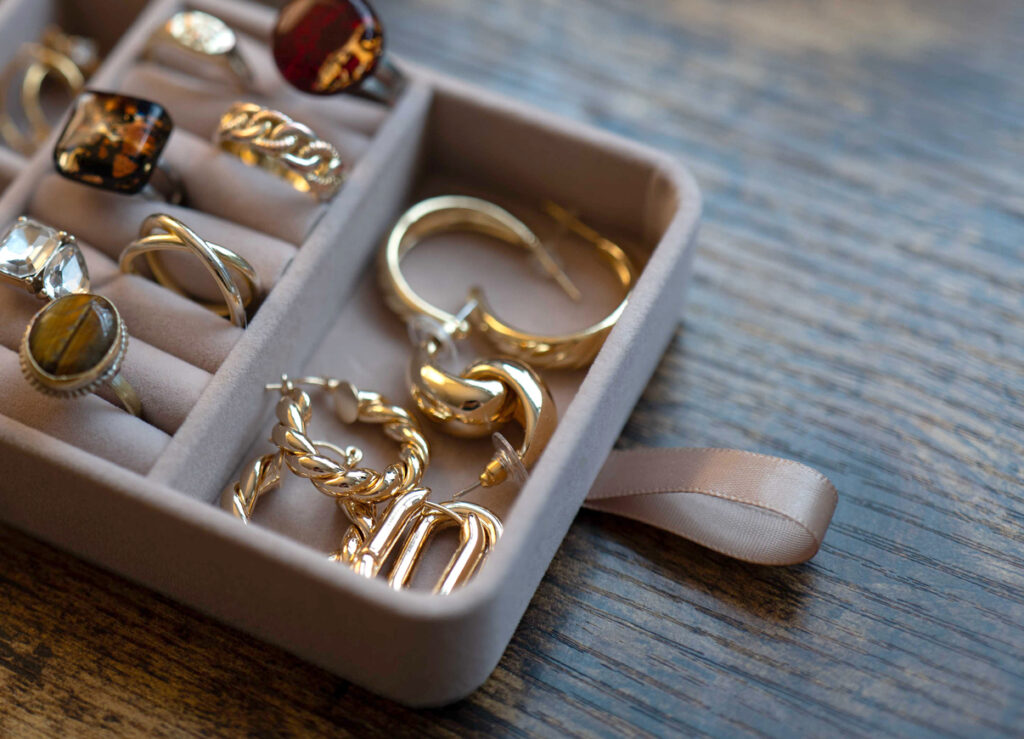
Maybe there is a broken chain you’ve intended to repair for five years. Perhaps you have one earring from a pair and gave up finding the other one. There could be an old bracelet that doesn’t fit, a ring from a style you no longer wear, or jewelry inherited from family members that has been sitting untouched.

Some of those pieces may have value even if they aren’t in perfect condition.

Broken doesn’t necessarily mean worthless when precious metals are involved.

Before throwing anything away—or assuming it isn’t worth much—consider having it evaluated.

Buy sell or pawn

Selling Gold vs. Pawning Gold

One of the biggest advantages of visiting a pawn shop is that you may have more than one option.

If you own gold jewelry you no longer want, selling it may make sense. You exchange the item for cash and the transaction is complete.

But what if you need money and don’t want to permanently part with your jewelry?

That’s where a pawn loan can be useful.

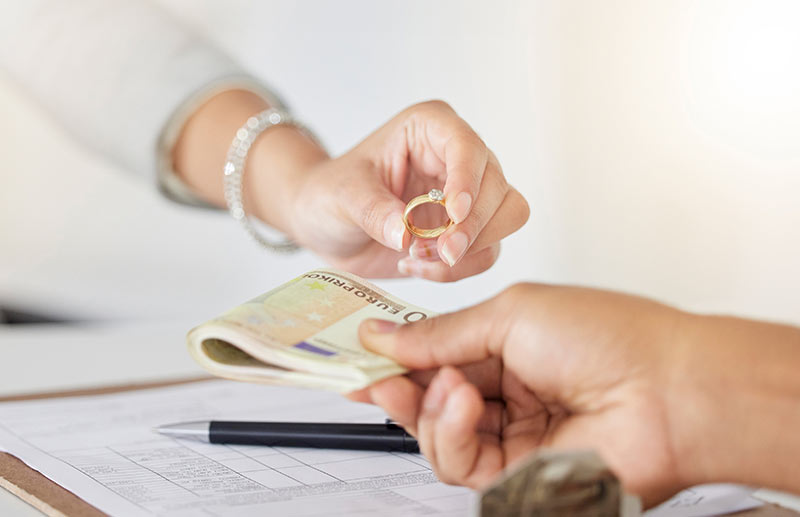
With a pawn loan, an eligible item is used as collateral. Pawn Central evaluates the item and, if you accept the loan offer, holds the property during the loan period. You receive cash and have the opportunity to reclaim your property by meeting the repayment terms of your agreement.

That distinction matters when the item has sentimental value.

Grandma’s gold bracelet might be financially valuable, but its emotional value could be far greater. If keeping it matters to you, selling it may not be the right solution.

A pawn loan can provide another option.

Fall Expenses Have a Way of Adding Up

Why talk about pawning valuables specifically during fall?

Because this is often the bridge between two expensive seasons.

Back-to-school costs may still be showing up on the credit card. Fall sports and activities have fees. Cars may need maintenance before winter. Furnaces need servicing. Tires need replacing. College students need supplies. Heating costs are coming.

And then there are the holidays.

Thanksgiving arrives, followed quickly by Christmas and the rest of the holiday season.

A relatively small financial shortage in September can become a much larger problem if it gets pushed onto a high-interest credit card and carried for months.

For someone who owns valuable property, an asset-based pawn loan may be one option worth understanding.

Gold Isn’t the Only Thing to Consider Pawning This Fall

Your jewelry box may be a logical starting point, particularly given current gold prices, but don’t stop there.

Depending on what a Pawn Central location is currently buying or accepting for loans, other valuable items may provide options as well.

Think about things you own but aren’t currently using: jewelry, precious metals, watches, tools, electronics, musical instruments, collectibles and other merchandise with an established resale market.

Fall can also be a smart time to evaluate seasonal items.

Maybe you finished a major home renovation and have professional-grade tools you no longer need. Perhaps you’ve upgraded electronics. Maybe there is a quality item in the house that hasn’t been used in a year.

Instead of letting value sit unused, find out what it may be worth.
Pawn Shop Near Me

How to Prepare Your Gold Before Visiting Pawn Central

You don’t need to turn your kitchen table into a jewelry appraisal laboratory.

Keep it simple.

Gather the pieces you are considering. If you have receipts, certificates, original boxes, gemstone reports or other documentation, bring those along.

Look for markings such as 10K, 14K, 18K, 22K or 24K, but don’t worry if you can’t find one. Tiny hallmarks can be difficult to see, and older jewelry may use different markings.

Avoid aggressive cleaning methods. Certain chemicals can damage gemstones, finishes or antique pieces. You don’t need to make an item look brand new before having it evaluated.

Most importantly, don’t assume something isn’t valuable simply because it is old, broken or out of style.

Let someone who understands precious metals take a look.

Don’t Confuse Retail Price With Pawn Value

This is especially important with jewelry.

You may remember paying $2,000 for a necklace at a jewelry store. An insurance appraisal might even list a higher replacement value.

That doesn’t mean its current cash or collateral value is $2,000.

Retail prices can include design, manufacturing, marketing and retailer margins. Insurance appraisals can reflect replacement costs. A pawn shop must look at an item’s current secondary-market value and the amount that can reasonably be recovered from it.

For gold jewelry, the precious-metal content can provide an important foundation for that evaluation.

Understanding the difference can make the process much less confusing.

Should You Wait for Gold to Go Higher?

It’s tempting.

If gold is worth a lot today and some analysts believe it could rise further, why not wait?

Because forecasts can be wrong.

Gold has already demonstrated considerable volatility during 2026. The World Gold Council noted that gold moved from record levels early in the year to a significant pullback by June, followed by a sharp August rally.

Trying to perfectly time any market is difficult.

A more practical question may be:

Does the value of my gold help me accomplish something important today?

If you’re selling jewelry you haven’t worn in ten years, today’s available offer may matter more to you than trying to guess what gold will be worth three months from now.

If you’re considering a pawn loan, the question is different. You aren’t necessarily trying to profit from gold prices. You’re determining whether an asset you already own can provide the cash you need while giving you an opportunity to reclaim it.

Have a Plan Before Taking a Pawn Loan

A pawn loan can provide short-term financial flexibility, but it should still be approached thoughtfully.

Before agreeing to a loan, understand exactly how much you’re receiving, the applicable finance charges and fees, when the payment is due, and what will be required to redeem your property.

Then look at your budget.

If you’re using the money for a $500 car repair, for example, think about where the repayment money will come from.

That becomes especially important as the holidays approach. November and December can bring additional spending, so don’t make a fall financial decision without considering the expenses that are just around the corner.

Fall Can Also Be a Great Time to Shop Pawn Central

There’s another side to the fall pawn story.

People aren’t only bringing valuable merchandise into pawn shops. They’re also shopping for it.

Pawn shops can be a great place to look for jewelry, gold, tools, electronics and unique gifts.

That can become especially helpful as holiday shopping begins.

Instead of automatically buying new at traditional retail prices, see what’s available pre-owned. Inventory changes frequently because items are continually coming into the store.

You never know what you might find.

And if gold jewelry is on your holiday shopping list, shopping pre-owned can be an opportunity to look for beautiful pieces without limiting yourself to a traditional jewelry-store experience.
buy, sell, pawn

Your Fall Financial Plan May Already Be in Your Home

We tend to think about money as what is sitting in our bank account.

But your financial picture can include more than cash.

The gold necklace in your jewelry box is an asset. So is the luxury watch you rarely wear. The tools gathering dust in the garage may have value. So may electronics, jewelry and other quality merchandise you already own.

This fall, take inventory.

You don’t necessarily have to sell those things. You don’t necessarily have to pawn them either.

But knowing what your possessions are worth gives you options.

And options can be particularly valuable when an unexpected expense arrives.

Visit Pawn Central This Fall

Gold has already experienced an extraordinary and volatile 2026, and its next move remains uncertain. Current forecasts range considerably depending on assumptions about inflation, interest rates, economic growth, investor demand and global events.

What you can know is what you own and what it may be worth today.

If you have gold jewelry, diamonds, watches or other valuable items, bring them to Pawn Central for an evaluation. Ask questions. Understand your options. Decide whether selling or taking a pawn loan makes sense for your particular needs.

Whether you’re preparing for winter, managing an unexpected bill, getting ahead of holiday expenses or simply cleaning out your jewelry box, this fall could be the perfect time to discover how much value has been sitting in your home all along.

Buy, Sell, Pawn

Loan and Selling Process

Our loan and selling process is straightforward and hassle-free. When you bring an item to Pawn Central, our expert team will assess its value and offer you a fair loan amount or purchase price. You can pawn your item for a short-term loan or sell it outright. We’ll walk you through the terms and conditions of the transaction, ensuring that you’re fully informed every step of the way.

Interest Rates and Fees

Transparency is key at Pawn Central, which is why we strive to be upfront about our interest rates and fees. Our rates are competitive, and we don’t    believe in springing hidden charges on our customers. We’ll clearly outline any fees associated with your transaction, allowing you to make an informed decision without any surprises.

Item Evaluation

When it comes to evaluating items, our team of experts has years of experience and knowledge to draw upon. We consider various factors, such as the item’s condition, brand, market demand, and intrinsic value. Whether you’re pawning a rare gemstone or a high-end gaming system, you can trust that you’ll receive a fair and accurate assessment.

Security and Privacy

At Pawn Central, we prioritize the security of your items and the privacy of your personal information. Our facilities are equipped with state-of-the-art security measures to safeguard your belongings while they’re in our possession. Additionally, we adhere to strict privacy protocols to ensure that your data remains confidential at all times.

Buy, Sell, Pawn

Customer Reviews and Reputation

Don’t just take our word for it—see what our customers have to say! At Pawn Central, we pride ourselves in our stellar reputation and the positive feedback we receive from satisfied clients. Whether you’re browsing online reviews or asking around in the community, you’ll find that our commitment to excellence sets us apart from the competition.

Legal Compliance

Rest assured Pawn Central operates in full compliance with all relevant regulations and laws. We adhere to strict licensing requirements and uphold the highest standards of integrity and ethics in all our dealings. When you choose Pawn Central, you can trust that you’re working with a trustworthy and honest establishment.

Additional Services

In addition to our pawn services, Pawn Central offers a range of additional services to meet your needs. Whether you need jewelry repair, firearm sales, or layaway plans, we’ve got you covered. Our goal is to provide you with a seamless and convenient experience from start to finish.

Thank you for taking the time to learn more about Pawn Central and what sets us apart as your premier pawn destination across Gatesburg, IL, Rock Island, IL, and Clinton, IA. With our convenient locations, extensive range of accepted items, transparent processes, and commitment to customer satisfaction, we’re confident you’ll find everything you’re looking for and more at Pawn Central. Visit us today and experience the Pawn Central difference for yourself!

String Maintenance and Replacement on Your New or Pre Owned Guitar

The strings are an integral part of your guitar’s playability and sound. Learning when and how to change them will ensure your guitar continues to deliver its best performance.
When it comes to maintaining your guitar, one of the most important aspects is string maintenance and replacement. Strings gradually lose their brightness and tonal quality over time, affecting your guitar’s sound and playability. It’s crucial to understand when and why you should change your guitar strings.

When and Why to Change Guitar Strings

As a general guideline, consider changing your strings every 2-3 months or more frequently if you play regularly or notice signs of wear and tear. Over time, strings can become worn out, losing their elasticity and tonal characteristics. This can lead to a dull and lifeless sound, affecting your playing experience. By changing your strings regularly, you can ensure your guitar always sounds its best.

There are several signs that it’s time to change your guitar strings. One of the most obvious signs is rust or discoloration on the strings. This can occur due to exposure to moisture or sweat from your hands. Rusty or discolored strings not only affect the sound quality, but can also cause discomfort while playing. Additionally, if you notice your strings have lost their elasticity and feel stiff, it’s a clear indication they need to be replaced.

Another factor to consider is the loss of brightness and tonal quality. Over time, strings can become dull and lose their initial sparkle. This can greatly impact the sound of your guitar, making it sound muted or lackluster. By changing your strings regularly, you can maintain a bright and vibrant sound, enhancing your playing experience.

Choosing the Right Strings for Your Guitar

When selecting new strings for your guitar, it’s essential to consider various factors to find the perfect match for your playing style and desired sound. One of the crucial factors to consider is the musical genre you play. Different genres require different tonal characteristics, and choosing the right strings can help you achieve the desired sound. For example, if you play blues or jazz, you may prefer strings that offer a warm and mellow tone. On the other hand, if you play rock or metal, you may opt for strings that provide a bright and aggressive tone.

String gauge is another important consideration. The gauge refers to the thickness of the strings. Lighter gauge strings are easier to bend and are ideal for players who prefer a more flexible feel. On the other hand, heavier gauge strings offer more resistance and are suitable for players who prefer a thicker tone and increased sustain. Experimenting with different gauges can help you find the perfect balance between playability and tone.

Lastly, the choice of string material can greatly impact the sound of your guitar. Common string materials include nickel-plated steel, pure nickel, stainless steel, and bronze. Each material offers its own unique tonal characteristics, and finding the right material can help you achieve your desired sound. For example, nickel-plated steel strings are known for their bright and balanced tone, while pure nickel strings offer a warmer and vintage sound.

Maintaining and replacing your guitar strings is an essential aspect of guitar care. By understanding when and why to change your strings, and considering factors such as musical genre, string gauge, and material, you can ensure that your guitar always delivers its best performance. So, take the time to care for your strings, and you’ll be rewarded with a guitar that sounds and feels amazing every time you play.

Fretboard Care and Maintenance

The fret board is the interface between your fingers and the strings. Keeping it clean and properly maintained is essential for smooth playability and prolonged fret life.

When it comes to caring for your fret board, there are a few key steps to ensure its longevity and optimal performance. Regularly cleaning your fret board ensures optimal performance, but also enhances its visual appeal. Begin by removing any dirt or grime using a soft cloth or specialized fret board cleaner. This will help prevent buildup and keep your fret board looking and feeling its best.

For unfinished and rosewood fret boards, consider using lemon oil to moisturize and condition the wood. Lemon oil is a popular choice for fret board care, as it helps replenish the natural oils in the wood, keeping it hydrated and preventing it from drying out. However, it’s important to be cautious not to apply excessive oil or use it on maple fret boards, as it can cause damage.

In addition to regular cleaning and oiling, it’s also important to pay attention to the condition of your frets. Over time, guitar frets can develop wear and unevenness, affecting intonation and playability. It’s beneficial to inspect your frets periodically for signs of wear, and consider having them leveled, crowned, or even replaced by a professional guitar technician.

Having your frets leveled involves removing any high spots and ensuring the entire fret board is level, allowing smooth and consistent playability across all frets. Crowning the frets involves reshaping the tops of the frets to create a rounded profile, which helps improve intonation and reduce buzzing. In some cases, if the frets are severely worn or damaged, it may be necessary to have them replaced entirely.

By taking the time to properly care for your fret board and maintain your frets, you can ensure that your guitar continues to perform at its best. Regular cleaning and oiling will help prevent dirt and grime buildup, while fret maintenance will ensure optimal playability and proper intonation across the entire neck.

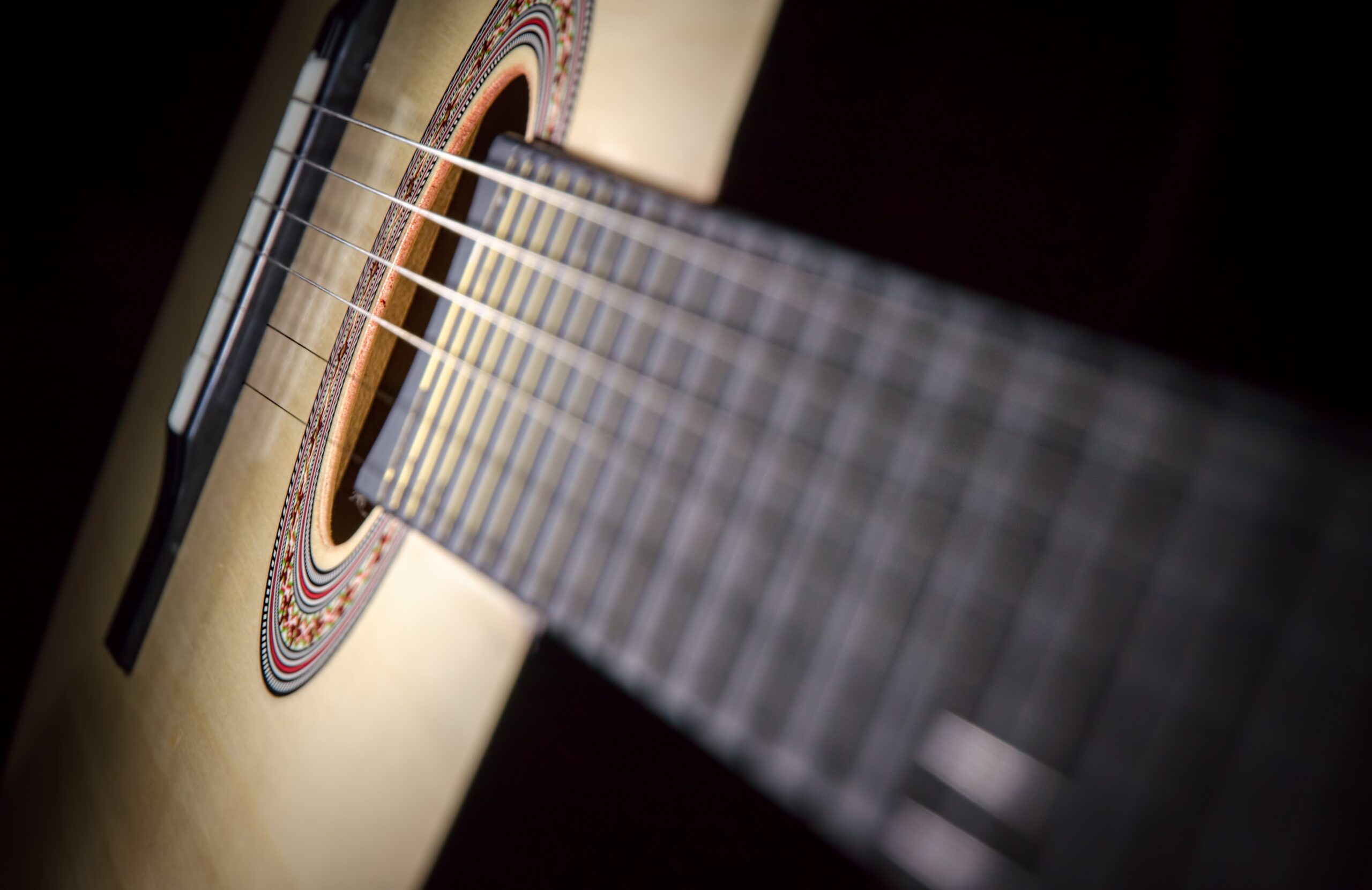
Pre owned guitar

Regular Guitar Check-ups and Professional Services

Keeping your guitar in top shape is crucial for maintaining its playability and longevity. While regular maintenance practices can prevent many issues, there are times when seeking professional help is necessary to address more complex problems or perform advanced adjustments.

Regular guitar check-ups are recommended to ensure your instrument is in optimal condition. During these check-ups, a professional guitar technician will inspect various components of your guitar, including the neck, frets, bridge, and electronics. They will also clean and lubricate the necessary parts to ensure smooth operation.

When to Seek Professional Help

If you encounter issues beyond your expertise or notice significant problems with your guitar, it’s wise to consult a professional guitar technician. They have the knowledge and experience to diagnose and repair issues that may be difficult to tackle on your own.

One common issue that may require professional help is fret buzz. Fret buzz occurs when the strings make unwanted buzzing sounds against the frets, causing a decrease in sound quality. A professional technician can identify the cause of the fret buzz, which can be due to uneven frets, a warped neck, or improper string height, and make the necessary adjustments to eliminate the problem.

Another area where professional help may be needed is truss rod adjustments. The truss rod is a metal rod that runs through the neck of the guitar and helps counteract the tension of the strings.

If the neck of your guitar is too straight or has too much bow, it can affect the playability and intonation. A professional technician can assess the neck’s condition and make precise truss rod adjustments to ensure optimal playability.

Electronics troubleshooting is another task best left to professionals. If you’re experiencing issues with your guitar’s pickups, volume or tone controls, or output jack, a technician can diagnose the problem and repair or replace the faulty components.

They have the tools and expertise to handle delicate electronic circuits and ensure that your guitar’s electronics are functioning properly.

DIY vs. Professional Guitar Maintenance

For routine maintenance and basic adjustments, many guitarists prefer to do it themselves. It can be rewarding to learn how to change strings, adjust the action, or set the intonation of your guitar. However, it’s essential to understand your limitations and seek professional assistance when needed.

Some tasks, such as major repairs or intricate setups, should be left to experienced technicians to avoid compromising the functionality and value of your guitar. For example, if your guitar has a cracked neck or loose brace inside the body, it’s best to consult a professional who can assess the damage and perform the necessary repairs with precision and expertise.

Additionally, if you own a vintage or high-end guitar, it’s advisable to have it serviced by a professional technician who specializes in these instruments. They have the knowledge and experience to handle delicate finishes and unique construction methods, ensuring that your valuable instrument is well taken care of.

In conclusion, while you can do some guitar maintenance tasks, seeking professional help is crucial for addressing complex issues and performing advanced adjustments. A professional guitar technician can diagnose and repair problems beyond your expertise, ensuring your guitar remains in optimal condition and continues to bring you joy for years to come.

Looking for quality pre-owned guitars? Look no further than Pawn Central! With stores in Clinton, Iowa and Rock Island and Clinton, IL, Pawn Central is your go-to destination for a wide selection of pre-owned guitars. What sets them apart is our team of pawn brokers who specialize in musical instruments and guitars. They have the expertise and knowledge to help you find the perfect guitar for your needs. Whether you’re a beginner or seasoned musician, Pawn Central has the right instrument for you. Visit us today and discover the joy of playing a quality pre-owned guitar.

Making Guitar Maintenance a Habit

Caring for your guitar is a responsibility that rewards you with enhanced playability, improved sound, and increased longevity. By utilizing the tips and techniques outlined in this blog, you can develop a regular maintenance routine that keeps your guitar in the best possible condition.