Pawn shops often get misunderstood. To some people, they still carry an outdated image shaped by movies or old stories—dark corners, questionable goods, and risky transactions. The reality is very different today. Modern pawn shops operate under strict laws, detailed reporting requirements, and close partnerships with law enforcement that make them one of the most regulated retail environments in the country.
Whether you’re buying, selling, or taking out a loan, pawn shops are designed to protect both customers and communities. In fact, the system is built around transparency and accountability in a way that many traditional retail environments simply are not.
Let’s take a deeper look at pawn shop laws, how legislation works, how pawn shops collaborate with police, and why shopping at a pawn shop can actually be one of the safest and smartest ways to buy valuable goods today.

What Pawn Shops Actually Are (And What They’re Not)
At their core, pawn shops are regulated financial institutions that provide collateral loans and resale opportunities. A customer can bring in an item of value—such as jewelry, tools, electronics, or collectibles—and receive a loan based on that item’s worth. If the loan is repaid, the item is returned. If not, the shop legally retains ownership and resells it.
This system has existed for centuries, but today it is tightly controlled by state and local laws.
Pawn shops are NOT flea markets, informal resellers, or unregulated secondhand stores. They are licensed businesses operating under financial, criminal, and consumer protection laws.

What Pawn Shops Actually Are (And What They’re Not)
At their core, pawn shops are regulated financial institutions that provide collateral loans and resale opportunities. A customer can bring in an item of value—such as jewelry, tools, electronics, or collectibles—and receive a loan based on that item’s worth. If the loan is repaid, the item is returned. If not, the shop legally retains ownership and resells it.
This system has existed for centuries, but today it is tightly controlled by state and local laws.
Pawn shops are NOT flea markets, informal resellers, or unregulated secondhand stores. They are licensed businesses operating under financial, criminal, and consumer protection laws.

Strong Regulation at the State and Local Level
Pawn shop regulations vary by state, but they all share a common goal: preventing theft, ensuring transparency, and protecting consumers.
Most states require pawn shops to:
- Obtain a special pawnbroker license
- Conduct background checks on owners and employees
- Maintain detailed transaction records
- Report all transactions daily to law enforcement databases
- Hold items for a mandatory “holding period” before resale
- Verify customer identification for every transaction
These rules are not optional—they are enforced through regular audits, inspections, and penalties for non-compliance.
In many states, pawn shops must submit detailed electronic reports of every item they buy or loan against. These reports are automatically checked against stolen property databases.
The Role of Law Enforcement: A Built-In Safety Net
One of the most important—and least understood—parts of the pawn industry is its direct connection to law enforcement.
Pawn shops are required to report every transaction to police databases, often daily or even in real time. These systems allow officers to quickly identify stolen property and recover it.
Here’s how it works:
- A customer brings in an item to pawn or sell
- The shop records detailed information: serial numbers, descriptions, ID, and transaction details
- This information is automatically submitted to law enforcement systems
- Police can cross-check stolen property reports
- If a match is found, the item is flagged and investigated
This system has helped recover millions of dollars in stolen property over the years.
Pawn shops are not hiding places for stolen goods—they are one of the fastest ways for stolen items to be identified and returned.
Holding Periods: Built-In Protection for Everyone
Another key safety feature is the mandatory holding period.
Before a pawn shop can resell an item, it must be held for a specific number of days—often 10 to 30 depending on state law. This gives law enforcement time to:
- Identify stolen goods
- Contact the shop
- Retrieve the property if necessary
This waiting period protects both customers and the public. It ensures that nothing moves too quickly into resale without oversight.
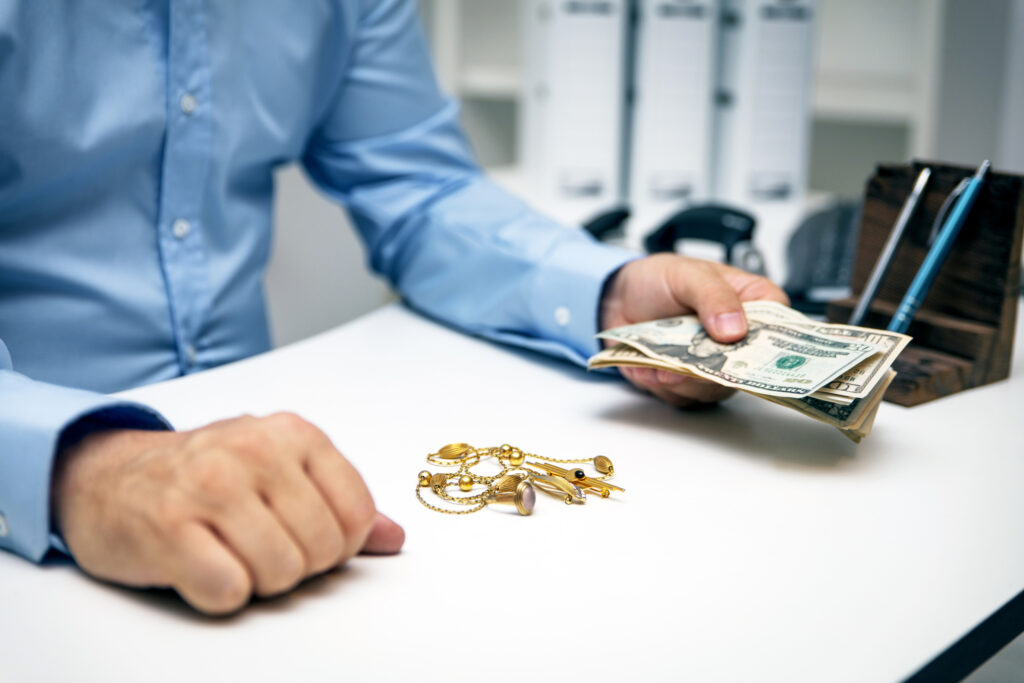
ID Verification and Transaction Tracking
Every legitimate pawn transaction requires government-issued identification. Shops must record:
- Name
- Address
- ID number
- Physical description of the item
- Serial numbers (if available)
- Date and time of transaction
This creates a traceable paper trail that connects every item to a verified individual.
That level of accountability is far stronger than many online marketplaces or informal resale platforms.
Common Myths About Pawn Shops
Despite strict regulations, pawn shops still face outdated stereotypes. Let’s address some of the most common myths.
Myth 1: Pawn shops sell stolen goods
This is one of the biggest misconceptions. In reality, pawn shops are among the most heavily monitored resale environments in existence. Because every item is reported to law enforcement databases, stolen goods are usually identified quickly.
Myth 2: Pawn shops are unsafe or sketchy
Modern pawn shops are licensed, insured, and regularly inspected. Many operate like retail stores, with cameras, security systems, and trained staff. They are often safer than unregulated online transactions.
Myth 3: Prices are unfair or deceptive
Pawn shops are competitive retail environments. Many items are priced below traditional retail, and customers can often negotiate. Unlike retail stores, pawn shops deal in both new and pre-owned goods, giving buyers more flexibility and value.
Myth 4: Only “desperate” people use pawn shops
Pawn shops are used by a wide range of customers—collectors, bargain hunters, small business owners, and everyday shoppers. Many people use pawn loans as short-term financial tools without affecting their credit.

Why Pawn Shops Are Safe Places to Buy
Safety in retail comes down to three things: transparency, accountability, and regulation. Pawn shops excel in all three.
When you buy from a pawn shop, you benefit from:
- Verified inventory tracking
- Law enforcement reporting systems
- Staff trained in identification and authentication
- Physical inspection of every item
- Clear pricing and return policies (varies by store/state)
Unlike many online marketplaces, you can see, touch, and inspect the item before buying it. There’s no guessing about condition or authenticity.

The Problem with Retail Pricing
One of the biggest financial advantages of pawn shopping is simple: you are not paying full retail markup.
Traditional retail stores often include multiple layers of cost:
- Manufacturer markup
- Distributor markup
- Brand marketing
- Store overhead
- Seasonal pricing adjustments
By the time a product reaches a retail shelf, its price may be significantly higher than its actual production value.
Pawn shops remove many of those layers. You’re often buying:
- Pre-owned goods in excellent condition
- Overstock or discontinued items
- Gently used luxury goods
- Tools, electronics, and collectibles at reduced prices
The result is better value for the customer without sacrificing quality.
How Pawn Shops Support Local Communities
Pawn shops also play an important role in local economies. They:
- Provide short-term financial assistance without credit checks
- Offer affordable alternatives to retail shopping
- Circulate money within the community
- Help recover stolen property for victims
- Create local jobs
In many cases, pawn shops serve as financial lifelines for individuals who need quick, flexible access to cash.
The Role of Modern Technology in Pawn Safety
Today’s pawn shops are not operating on paper logs and guesswork. Most use advanced software systems that:
- Track inventory with barcodes and serial numbers
- Automatically report transactions to law enforcement
- Flag suspicious activity
- Store digital records for years
- Cross-reference stolen item databases
This technology dramatically reduces fraud and improves accuracy.

Why Buying at a Pawn Shop Makes Sense
When you combine regulation, law enforcement oversight, and real-world pricing advantages, pawn shops offer a unique shopping experience:
- Lower prices than retail
- High accountability
- Verified secondhand goods
- Opportunity to inspect before buying
- Constantly changing inventory
- Strong consumer protection laws
For many buyers, the question becomes: why pay more at retail when you can shop safely and smartly at a pawn shop?
Final Thoughts
Pawn shops today are nothing like the outdated stereotypes people still imagine. They are highly regulated, closely monitored, and deeply integrated with law enforcement systems designed to protect both consumers and communities.
Far from being unsafe, pawn shops are among the most transparent resale environments available. Every transaction is recorded, every item is traceable, and every shop operates under strict legal guidelines.
When you shop at a pawn shop, you’re not taking a risk—you’re making an informed, value-driven choice in a system built for accountability.
In a world where online scams, counterfeit goods, and inflated retail pricing are increasingly common, pawn shops offer something simple and powerful: real value with real oversight.