Turn Unused Valuables Into Fall Cash: What Could Be Hiding in Your Home?

Fall has a way of making us take stock.

The closets get reorganized. Summer gear gets packed away. Garages get cleaned before winter. Holiday plans start appearing on the calendar, and suddenly the expenses that seemed months away are getting much closer.

While you’re looking around your home this fall, there is another question worth asking:

How much value is sitting in things you aren’t using?

That gold bracelet tucked in the back of your jewelry box, the luxury watch you rarely wear, the tools left over from a completed project, or electronics you’ve already upgraded may be worth more than you realize.

At Pawn Central, with locations serving communities in Illinois and Iowa, fall is an excellent time to look at what you own and decide whether it still deserves a place in your home—or whether its value could be more useful as cash.

And remember: you don’t always have to sell an item to access its value. Depending on the item, a pawn loan may allow you to use your property as collateral for short-term cash while giving you the opportunity to get it back.
Buy Sell or Pawn

Fall Is the Perfect Time for a Financial Cleanout

Spring cleaning gets all the attention, but fall may actually be the better time to go through your belongings.

Why?

Because the last few months of the year can get expensive.

There may be school expenses, fall activities, car maintenance, home repairs, winter preparation, Thanksgiving travel, holiday meals, Christmas gifts and countless smaller expenses.

Instead of immediately reaching for a credit card when you need additional money, look around your house.

You may already own something that can provide another option.

The goal isn’t to sell everything valuable you own. It’s to identify the things that no longer serve you—and the things whose value might temporarily help you.

Start With the Jewelry Box

If you haven’t gone through your jewelry in a while, start there.
pawn sell buy

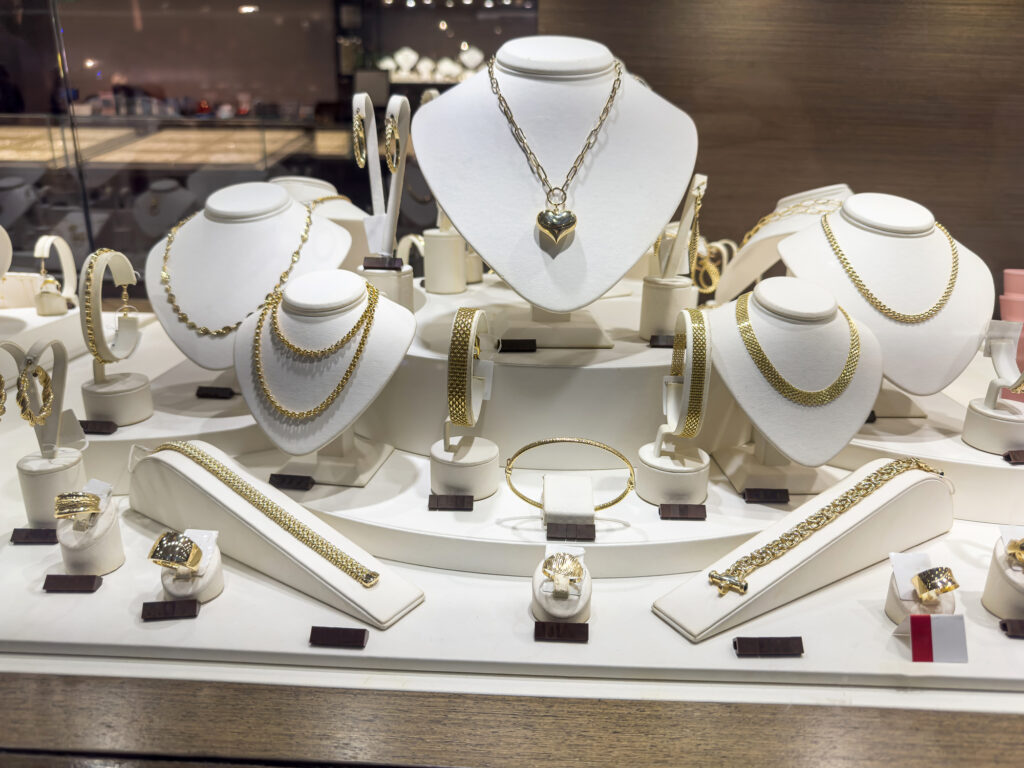
Gold jewelry can retain value even when you don’t wear it anymore.

Look for:

  • Gold rings
  • Necklaces and chains
  • Bracelets
  • Earrings
  • Pendants
  • Diamond jewelry
  • Broken gold jewelry
  • Single earrings
  • Outdated pieces
  • Jewelry inherited but never worn
  • Luxury or designer pieces

Don’t automatically dismiss something because it’s broken.

A broken clasp doesn’t remove the gold content from a bracelet. A tangled chain is still a gold chain. And one gold earring can still contain precious metal even if its mate disappeared years ago.

Gold jewelry doesn’t have to be fashionable to potentially have value.

If you haven’t worn something in years and it has no sentimental importance to you, selling it may make more sense than continuing to store it.
fast cash

What About Jewelry You Want to Keep?

That’s a different situation.

Perhaps you have a gold bracelet that belonged to your mother. You don’t wear it often, but you’d never want to permanently part with it.

Or maybe you own a valuable piece of jewelry that you love but currently need cash more than you need access to the jewelry.

That is where a pawn loan can provide an alternative to selling.

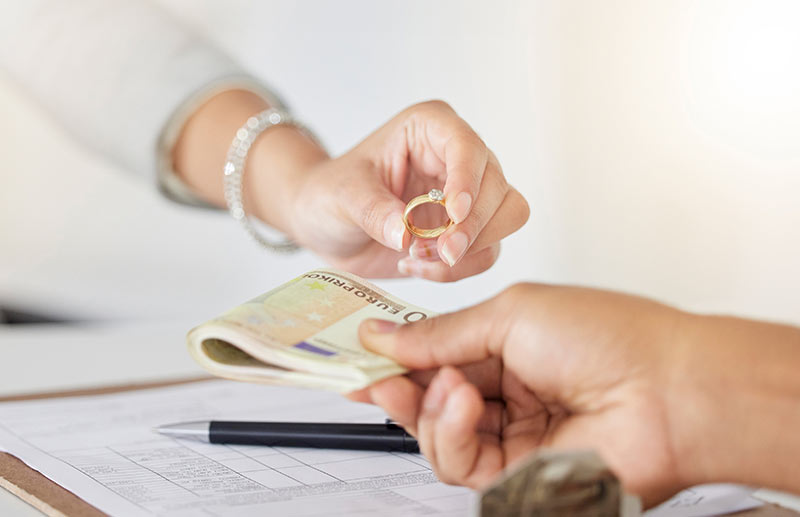
With a pawn loan, an eligible valuable item is used as collateral. The pawnbroker evaluates it and makes a loan offer based on the item’s value and other relevant factors. If you accept, the pawn shop holds the property while you have the loan.

You then have the opportunity to reclaim your item by repaying the amount due according to the terms of your pawn agreement.

Selling turns an item into cash permanently. Pawning can turn its value into temporary cash while providing a path to getting the item back.

Knowing the difference helps you make a decision based on what the item means to you.
Pawning

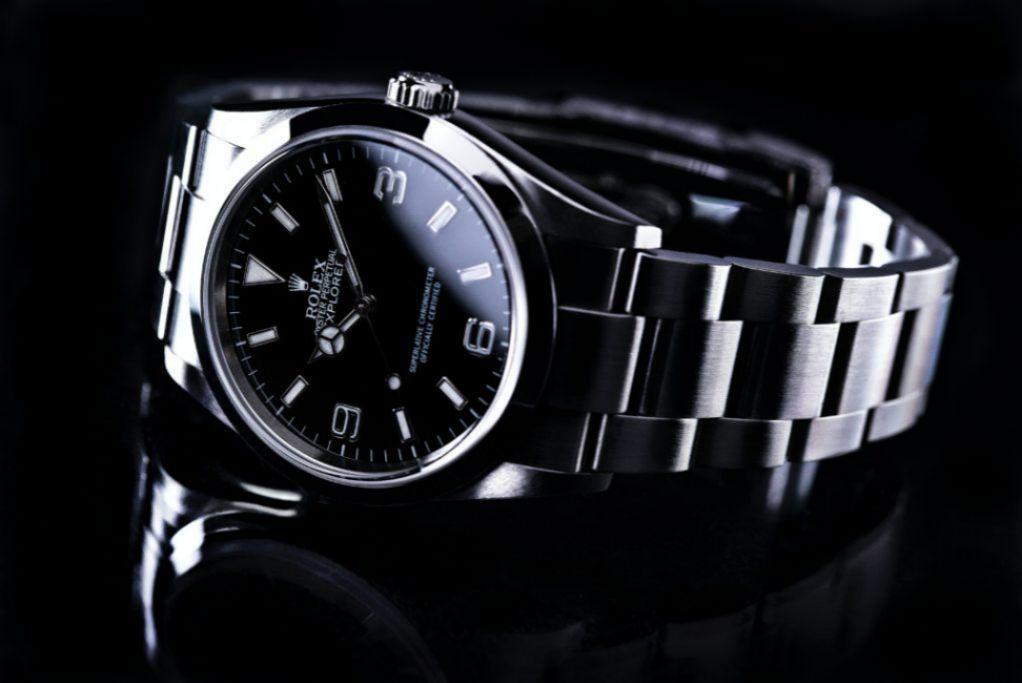
Luxury Watches May Be Worth a Second Look

That watch you bought years ago may be doing little more than taking up space.

Certain luxury watches can have significant secondary-market value, depending on factors such as brand, model, condition, authenticity and current demand.

If you’re considering selling or pawning a watch, gather everything you have that belongs with it.

Original boxes, papers, warranty cards, receipts, service records and spare bracelet links can provide useful information during an evaluation.

Don’t assume that an older watch isn’t valuable simply because it isn’t the newest model.

Likewise, don’t assume that its original retail price represents its current cash value.

Have it evaluated.

Check the Garage and Workshop

Fall is also a natural time to clean out the garage.

That makes it an excellent opportunity to take inventory of tools.

Maybe you bought specialized tools for a remodeling project and haven’t used them since. Perhaps you’ve upgraded to newer equipment and kept the older tools “just in case.”

Those items may be valuable to someone else.

Depending on condition, brand, demand and what a Pawn Central location is currently accepting, quality tools and equipment may be candidates for selling or pawning.

Before bringing something in, gather batteries, chargers, cases and accessories when available.

A complete item is generally easier to evaluate than a tool without the pieces necessary to use it.

Electronics Can Become Clutter Quickly

Technology changes fast.

One year you’re excited about a new electronic device; a few upgrades later, the old one is sitting in a drawer.

If you’re holding onto electronics you no longer use, fall may be the time to decide whether keeping them makes sense.

Electronics can lose value as technology changes, so waiting indefinitely isn’t always beneficial.

Depending on current demand and store policies, certain electronics may have resale or collateral value.

If you’re considering bringing in an electronic item, make sure you remove personal information, sign out of your accounts, disable applicable device locks, and bring chargers or accessories when possible.
luxury items

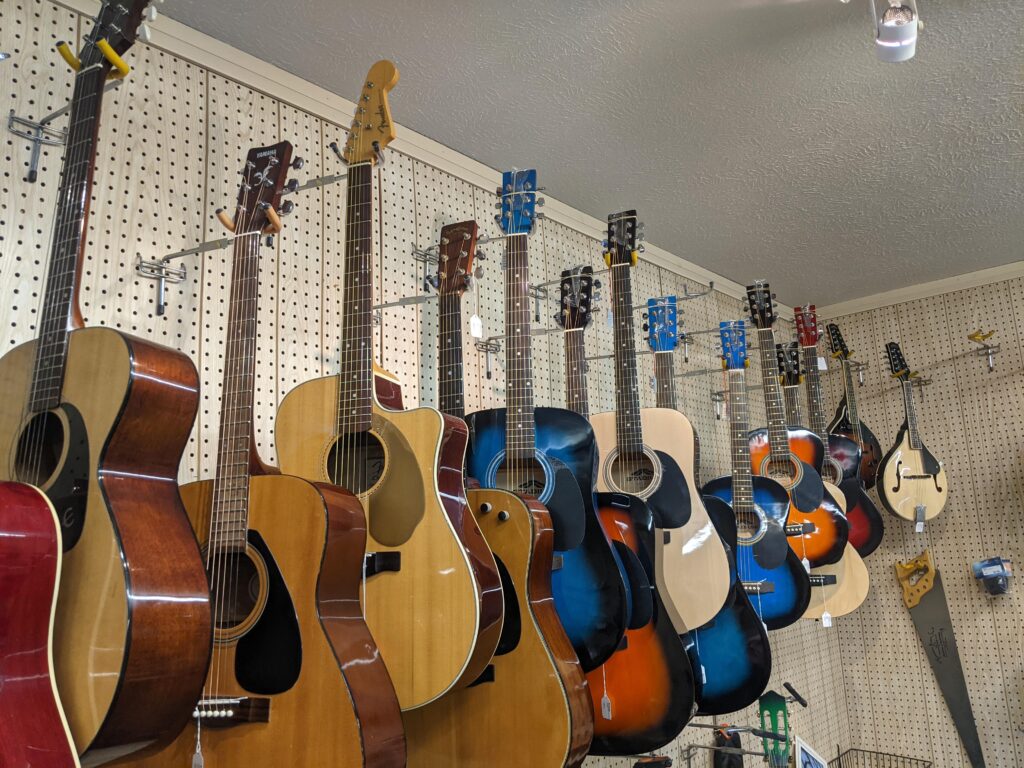
Don’t Forget Musical Instruments and Other Valuable Items

Did someone in the family decide they were going to learn guitar—and then stop after six months?

Is there an instrument sitting in a closet that hasn’t been played in years?

Fall is a good time to identify possessions that were once useful but aren’t part of your life anymore.

Musical instruments, collectibles and other desirable merchandise may have value depending on their condition and market demand.

You don’t have to know exactly what something is worth before visiting Pawn Central.

That’s part of the reason to have it evaluated.

Sell the Things You’ve Outgrown

One simple way to decide whether to sell something is to ask yourself:

If I didn’t already own this, would I buy it today?

If the answer is no, think about why you’re keeping it.

Sometimes we hold onto possessions simply because we’ve always had them.

An old gold chain isn’t helping you by sitting untouched in a drawer. Neither is a watch you haven’t worn since 2019 or a power tool you replaced three years ago.

If an item no longer has practical or sentimental importance, selling it can accomplish two things at once:

Less clutter and more cash.

That cash could go toward holiday shopping, winter expenses, groceries, travel, a home project, an emergency fund—or simply back into your savings.

Pawn the Things You Still Want

Now ask a different question:

Would I regret permanently losing this?

If the answer is yes, selling may not be the right choice.

A pawn loan may be worth considering instead.

This is particularly important with sentimental jewelry, collectible pieces, luxury watches, professional tools you still need, or other property you want to retain.

If you choose a pawn loan, however, make sure you understand the agreement before accepting it.

Know how much you’re borrowing, what charges apply, when payment is due, and how much you will need to pay to redeem your property.

If getting the item back is important, make repayment part of your budget from the beginning.

Don’t Wait Until December to Think About Holiday Expenses

One advantage of evaluating your belongings during fall is timing.

December has a tendency to arrive faster than expected.

Waiting until the week before Christmas to figure out how you’re going to pay for gifts, travel or a holiday meal can create unnecessary pressure.

September, October and November give you more time to make thoughtful choices.

Perhaps you have several gold pieces you genuinely don’t want anymore. Selling them now could allow you to establish a holiday budget before you start shopping.

Maybe you have a valuable watch you don’t want to sell but could potentially use for a short-term pawn loan.

Or perhaps cleaning out your garage reveals tools or electronics that could be converted into extra cash.

Planning is usually easier than reacting.

What Could $100, $300 or $500 Help You Accomplish?

Sometimes we dismiss unused possessions because we don’t think they’ll make a meaningful difference.

But think about the practical impact extra money could have.

It could help with groceries.

It could pay part of a heating bill.

It might cover a vehicle repair.

It could help purchase children’s winter clothing.

It could go toward Thanksgiving travel.

It could become your Christmas shopping budget.

Or it could simply give you a little more breathing room going into the most expensive months of the year.

You won’t know what your valuables can do for you until you find out what they’re worth.

Don’t Assume—Get an Evaluation

One of the biggest mistakes people make is deciding an item’s value before having someone look at it.

“My necklace is too old.”

“This ring is broken.”

“Nobody wants this watch.”

“These tools are used.”

“This jewelry isn’t in style anymore.”

Maybe.

But maybe not.

Market demand, precious-metal content, brand, condition, age, model and other characteristics can all influence an item’s value.

If you aren’t sure, bring it in and ask.

An evaluation gives you information. Once you have that information, you decide what happens next.

Make Three Fall Piles

Here’s a simple way to start.

As you clean this fall, mentally separate potentially valuable belongings into three categories:

KEEP — Things you use, love or wouldn’t want to lose.

SELL — Valuable things you don’t use and wouldn’t miss.

CONSIDER PAWNING — Valuable things you want to keep but might consider using as collateral if you need short-term cash.

That little exercise can change the way you see what’s sitting around your home.

Instead of seeing clutter, you begin seeing assets.
Pawn Shop Near Me

Your Stuff Should Work for You

We spend years accumulating things.

Eventually, some of those things stop serving a purpose.

Fall is a great time to change that.

Turn unwanted valuables into money you can actually use. And when you need temporary financial flexibility but don’t want to sell an important item, learn whether a pawn loan could be an option.

At Pawn Central, customers throughout its Illinois and Iowa communities can bring in gold, jewelry, watches and other eligible valuables to find out what they may be worth.

There’s no need to guess.

Open the jewelry box. Check the closet. Walk through the garage. Look in those drawers you haven’t opened in months.

You might be surprised by what you find.

This fall, don’t just clean out your home.

Unlock some of the value that’s already inside it.
Buy, Sell, Pawn

Loan and Selling Process

Our loan and selling process is straightforward and hassle-free. When you bring an item to Pawn Central, our expert team will assess its value and offer you a fair loan amount or purchase price. You can pawn your item for a short-term loan or sell it outright. We’ll walk you through the terms and conditions of the transaction, ensuring that you’re fully informed every step of the way.

Interest Rates and Fees

Transparency is key at Pawn Central, which is why we strive to be upfront about our interest rates and fees. Our rates are competitive, and we don’t    believe in springing hidden charges on our customers. We’ll clearly outline any fees associated with your transaction, allowing you to make an informed decision without any surprises.

Item Evaluation

When it comes to evaluating items, our team of experts has years of experience and knowledge to draw upon. We consider various factors, such as the item’s condition, brand, market demand, and intrinsic value. Whether you’re pawning a rare gemstone or a high-end gaming system, you can trust that you’ll receive a fair and accurate assessment.

Security and Privacy

At Pawn Central, we prioritize the security of your items and the privacy of your personal information. Our facilities are equipped with state-of-the-art security measures to safeguard your belongings while they’re in our possession. Additionally, we adhere to strict privacy protocols to ensure that your data remains confidential at all times.

Buy, Sell, Pawn

Customer Reviews and Reputation

Don’t just take our word for it—see what our customers have to say! At Pawn Central, we pride ourselves in our stellar reputation and the positive feedback we receive from satisfied clients. Whether you’re browsing online reviews or asking around in the community, you’ll find that our commitment to excellence sets us apart from the competition.

Legal Compliance

Rest assured Pawn Central operates in full compliance with all relevant regulations and laws. We adhere to strict licensing requirements and uphold the highest standards of integrity and ethics in all our dealings. When you choose Pawn Central, you can trust that you’re working with a trustworthy and honest establishment.

Additional Services

In addition to our pawn services, Pawn Central offers a range of additional services to meet your needs. Whether you need jewelry repair, firearm sales, or layaway plans, we’ve got you covered. Our goal is to provide you with a seamless and convenient experience from start to finish.

Thank you for taking the time to learn more about Pawn Central and what sets us apart as your premier pawn destination across Gatesburg, IL, Rock Island, IL, and Clinton, IA. With our convenient locations, extensive range of accepted items, transparent processes, and commitment to customer satisfaction, we’re confident you’ll find everything you’re looking for and more at Pawn Central. Visit us today and experience the Pawn Central difference for yourself!

String Maintenance and Replacement on Your New or Pre Owned Guitar

The strings are an integral part of your guitar’s playability and sound. Learning when and how to change them will ensure your guitar continues to deliver its best performance.
When it comes to maintaining your guitar, one of the most important aspects is string maintenance and replacement. Strings gradually lose their brightness and tonal quality over time, affecting your guitar’s sound and playability. It’s crucial to understand when and why you should change your guitar strings.

When and Why to Change Guitar Strings

As a general guideline, consider changing your strings every 2-3 months or more frequently if you play regularly or notice signs of wear and tear. Over time, strings can become worn out, losing their elasticity and tonal characteristics. This can lead to a dull and lifeless sound, affecting your playing experience. By changing your strings regularly, you can ensure your guitar always sounds its best.

There are several signs that it’s time to change your guitar strings. One of the most obvious signs is rust or discoloration on the strings. This can occur due to exposure to moisture or sweat from your hands. Rusty or discolored strings not only affect the sound quality, but can also cause discomfort while playing. Additionally, if you notice your strings have lost their elasticity and feel stiff, it’s a clear indication they need to be replaced.

Another factor to consider is the loss of brightness and tonal quality. Over time, strings can become dull and lose their initial sparkle. This can greatly impact the sound of your guitar, making it sound muted or lackluster. By changing your strings regularly, you can maintain a bright and vibrant sound, enhancing your playing experience.

Choosing the Right Strings for Your Guitar

When selecting new strings for your guitar, it’s essential to consider various factors to find the perfect match for your playing style and desired sound. One of the crucial factors to consider is the musical genre you play. Different genres require different tonal characteristics, and choosing the right strings can help you achieve the desired sound. For example, if you play blues or jazz, you may prefer strings that offer a warm and mellow tone. On the other hand, if you play rock or metal, you may opt for strings that provide a bright and aggressive tone.

String gauge is another important consideration. The gauge refers to the thickness of the strings. Lighter gauge strings are easier to bend and are ideal for players who prefer a more flexible feel. On the other hand, heavier gauge strings offer more resistance and are suitable for players who prefer a thicker tone and increased sustain. Experimenting with different gauges can help you find the perfect balance between playability and tone.

Lastly, the choice of string material can greatly impact the sound of your guitar. Common string materials include nickel-plated steel, pure nickel, stainless steel, and bronze. Each material offers its own unique tonal characteristics, and finding the right material can help you achieve your desired sound. For example, nickel-plated steel strings are known for their bright and balanced tone, while pure nickel strings offer a warmer and vintage sound.

Maintaining and replacing your guitar strings is an essential aspect of guitar care. By understanding when and why to change your strings, and considering factors such as musical genre, string gauge, and material, you can ensure that your guitar always delivers its best performance. So, take the time to care for your strings, and you’ll be rewarded with a guitar that sounds and feels amazing every time you play.

Fretboard Care and Maintenance

The fret board is the interface between your fingers and the strings. Keeping it clean and properly maintained is essential for smooth playability and prolonged fret life.

When it comes to caring for your fret board, there are a few key steps to ensure its longevity and optimal performance. Regularly cleaning your fret board ensures optimal performance, but also enhances its visual appeal. Begin by removing any dirt or grime using a soft cloth or specialized fret board cleaner. This will help prevent buildup and keep your fret board looking and feeling its best.

For unfinished and rosewood fret boards, consider using lemon oil to moisturize and condition the wood. Lemon oil is a popular choice for fret board care, as it helps replenish the natural oils in the wood, keeping it hydrated and preventing it from drying out. However, it’s important to be cautious not to apply excessive oil or use it on maple fret boards, as it can cause damage.

In addition to regular cleaning and oiling, it’s also important to pay attention to the condition of your frets. Over time, guitar frets can develop wear and unevenness, affecting intonation and playability. It’s beneficial to inspect your frets periodically for signs of wear, and consider having them leveled, crowned, or even replaced by a professional guitar technician.

Having your frets leveled involves removing any high spots and ensuring the entire fret board is level, allowing smooth and consistent playability across all frets. Crowning the frets involves reshaping the tops of the frets to create a rounded profile, which helps improve intonation and reduce buzzing. In some cases, if the frets are severely worn or damaged, it may be necessary to have them replaced entirely.

By taking the time to properly care for your fret board and maintain your frets, you can ensure that your guitar continues to perform at its best. Regular cleaning and oiling will help prevent dirt and grime buildup, while fret maintenance will ensure optimal playability and proper intonation across the entire neck.

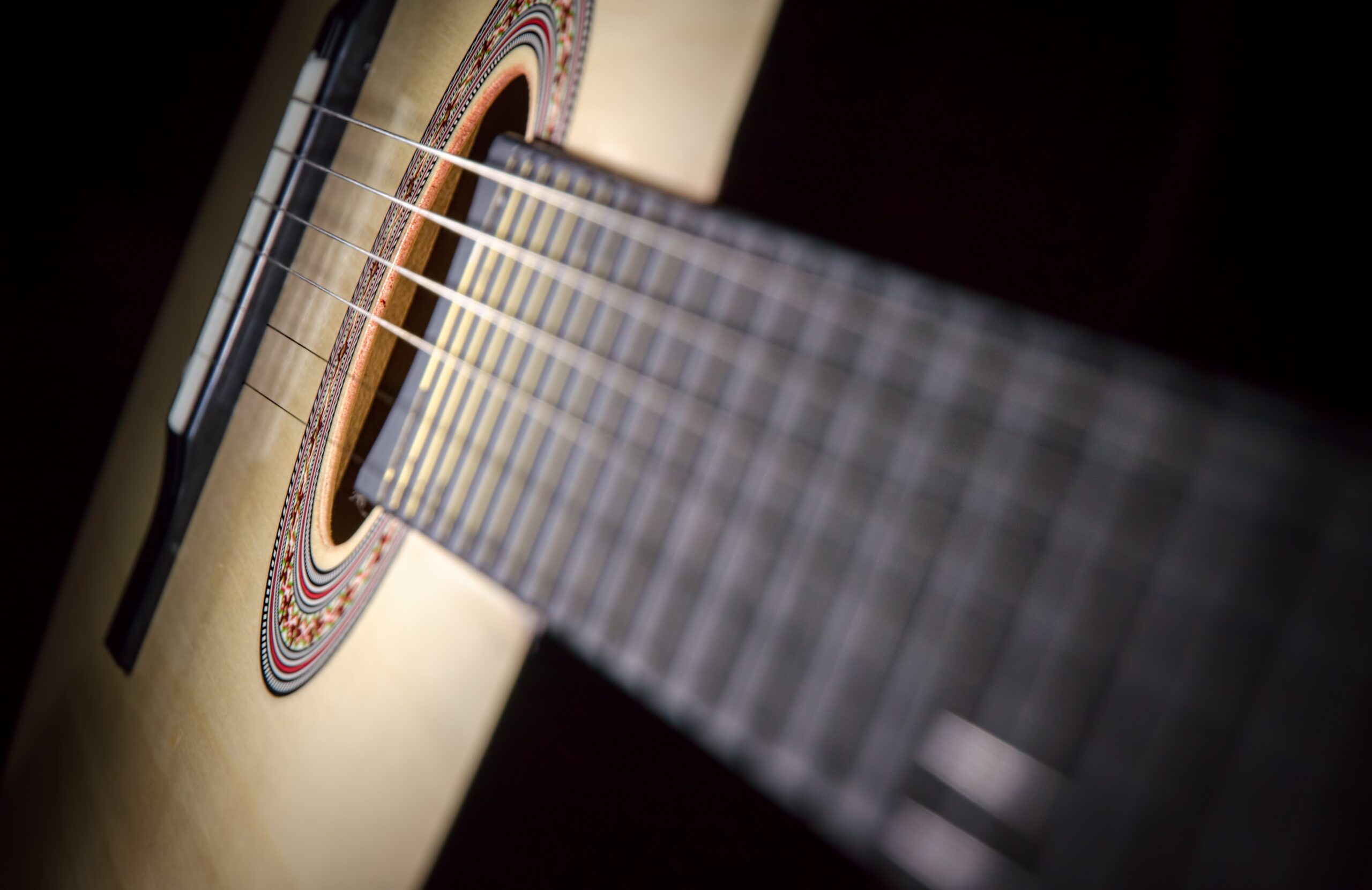
Pre owned guitar

Regular Guitar Check-ups and Professional Services

Keeping your guitar in top shape is crucial for maintaining its playability and longevity. While regular maintenance practices can prevent many issues, there are times when seeking professional help is necessary to address more complex problems or perform advanced adjustments.

Regular guitar check-ups are recommended to ensure your instrument is in optimal condition. During these check-ups, a professional guitar technician will inspect various components of your guitar, including the neck, frets, bridge, and electronics. They will also clean and lubricate the necessary parts to ensure smooth operation.

When to Seek Professional Help

If you encounter issues beyond your expertise or notice significant problems with your guitar, it’s wise to consult a professional guitar technician. They have the knowledge and experience to diagnose and repair issues that may be difficult to tackle on your own.

One common issue that may require professional help is fret buzz. Fret buzz occurs when the strings make unwanted buzzing sounds against the frets, causing a decrease in sound quality. A professional technician can identify the cause of the fret buzz, which can be due to uneven frets, a warped neck, or improper string height, and make the necessary adjustments to eliminate the problem.

Another area where professional help may be needed is truss rod adjustments. The truss rod is a metal rod that runs through the neck of the guitar and helps counteract the tension of the strings.

If the neck of your guitar is too straight or has too much bow, it can affect the playability and intonation. A professional technician can assess the neck’s condition and make precise truss rod adjustments to ensure optimal playability.

Electronics troubleshooting is another task best left to professionals. If you’re experiencing issues with your guitar’s pickups, volume or tone controls, or output jack, a technician can diagnose the problem and repair or replace the faulty components.

They have the tools and expertise to handle delicate electronic circuits and ensure that your guitar’s electronics are functioning properly.

DIY vs. Professional Guitar Maintenance

For routine maintenance and basic adjustments, many guitarists prefer to do it themselves. It can be rewarding to learn how to change strings, adjust the action, or set the intonation of your guitar. However, it’s essential to understand your limitations and seek professional assistance when needed.

Some tasks, such as major repairs or intricate setups, should be left to experienced technicians to avoid compromising the functionality and value of your guitar. For example, if your guitar has a cracked neck or loose brace inside the body, it’s best to consult a professional who can assess the damage and perform the necessary repairs with precision and expertise.

Additionally, if you own a vintage or high-end guitar, it’s advisable to have it serviced by a professional technician who specializes in these instruments. They have the knowledge and experience to handle delicate finishes and unique construction methods, ensuring that your valuable instrument is well taken care of.

In conclusion, while you can do some guitar maintenance tasks, seeking professional help is crucial for addressing complex issues and performing advanced adjustments. A professional guitar technician can diagnose and repair problems beyond your expertise, ensuring your guitar remains in optimal condition and continues to bring you joy for years to come.

Looking for quality pre-owned guitars? Look no further than Pawn Central! With stores in Clinton, Iowa and Rock Island and Clinton, IL, Pawn Central is your go-to destination for a wide selection of pre-owned guitars. What sets them apart is our team of pawn brokers who specialize in musical instruments and guitars. They have the expertise and knowledge to help you find the perfect guitar for your needs. Whether you’re a beginner or seasoned musician, Pawn Central has the right instrument for you. Visit us today and discover the joy of playing a quality pre-owned guitar.

Making Guitar Maintenance a Habit

Caring for your guitar is a responsibility that rewards you with enhanced playability, improved sound, and increased longevity. By utilizing the tips and techniques outlined in this blog, you can develop a regular maintenance routine that keeps your guitar in the best possible condition.