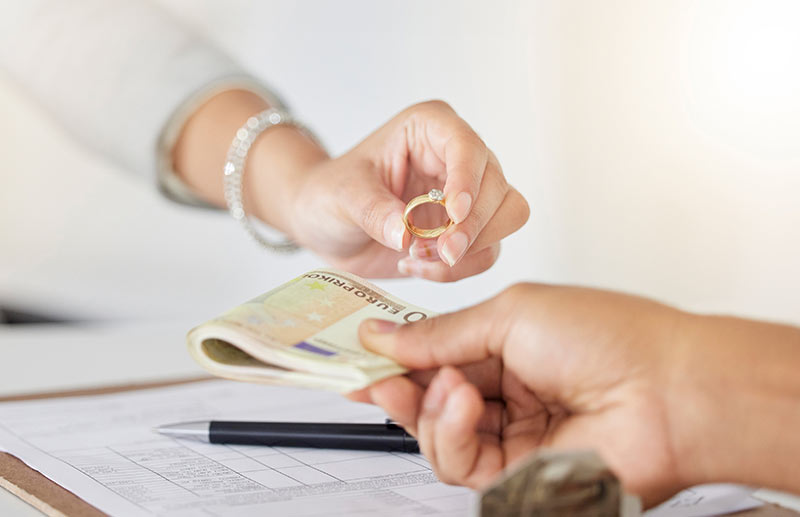
Something Unusual Is Happening in the Scrap Gold Market
If you’ve been following gold prices lately, you already know that precious metals have attracted considerable attention. Between economic uncertainty, inflation concerns, and changing investor demand, gold continues to be an important asset for people looking to protect their wealth or turn unwanted jewelry into cash.
But an interesting question has recently been circulating among pawnbrokers and precious metal buyers:
Why are some scrap gold buyers offering better payout percentages for 10-karat gold than for 14-karat gold?
At first glance, that doesn’t make sense.
After all, 14K gold contains more pure gold than 10K gold. Traditionally, that means a 14K gold ring should be worth more than a comparable 10K ring of the same weight.
Yet some dealers are reporting unusually strong offers for 10K scrap gold. In certain cases, buyers have reportedly offered a higher percentage of theoretical melt value for 10K than for 14K. Others have discussed offers approaching full calculated melt value on qualifying stamped 10K jewelry.
Is there something special about 10K gold? Are refiners discovering additional value in these lower-karat alloys? Or is something else happening behind the scenes?
At Pawn Central, with locations in Rock Island, Galesburg, and Macomb, Illinois, and Clinton, Iowa, we believe understanding how precious metals are valued helps customers make smarter decisions when buying, selling, or pawning gold.
Let’s explore what could be behind these unusual offers and what they mean for anyone holding unwanted gold jewelry.
Understanding the Difference Between 10K and 14K Gold
Before examining why payout percentages might change, it’s important to understand how gold purity works.
Pure gold is classified as 24 karats. Because pure gold is relatively soft, jewelry manufacturers typically combine it with other metals to create stronger, more durable pieces.
These combinations are called gold alloys.

10K Gold: 41.7% Pure Gold
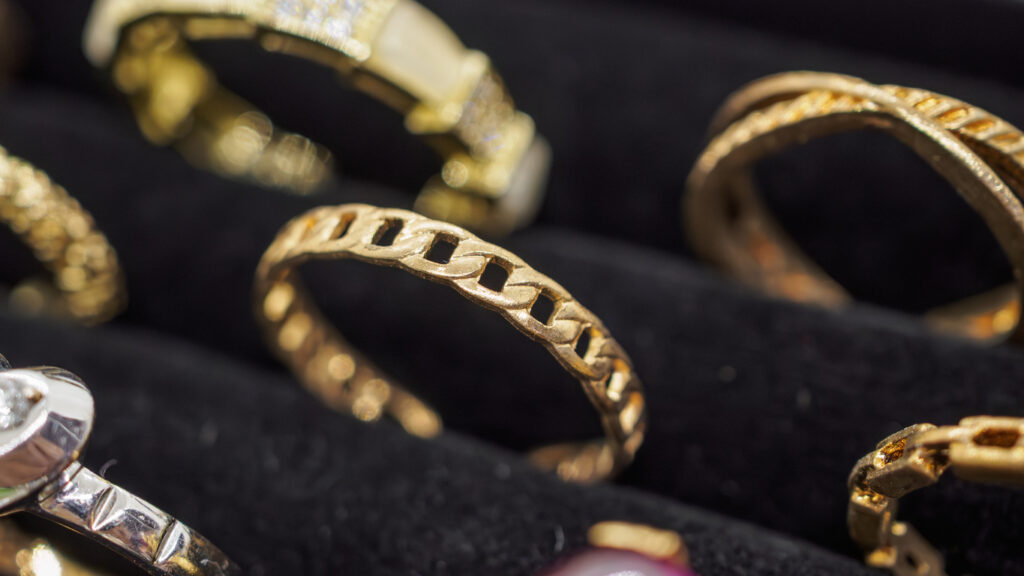
Ten-karat gold contains approximately 41.7% gold and 58.3% other metals, often including copper, silver, zinc, or nickel. Its durability and affordability make it common in everyday jewelry.
14K Gold: 58.3% Pure Gold
Fourteen-karat gold contains approximately 58.3% gold and 41.7% other metals. It is popular for wedding rings, necklaces, bracelets, and other fine jewelry because it balances durability with higher gold content.
Under ordinary circumstances, 14K gold has a higher intrinsic gold value per gram.
For example, if pure gold were trading at a hypothetical $130 per gram, the theoretical gold content values would be approximately:
| Gold Purity | Gold Value per Gram |
|---|---|
| 10K (41.7%) | $54.17 |
| 14K (58.3%) | $75.83 |
| 18K (75%) | $97.50 |
| 24K (99.9%+) | $130.00 |
Illustrative calculations only, not current gold prices or Pawn Central purchase offers. Actual values depend on purity, weight, market prices, and buyer terms.
So why would anyone offer a better payout for 10K gold?
The answer may involve more than just gold content.
The Important Difference Between Melt Value and Payout Percentage
One of the biggest sources of confusion is the difference between the total value of the gold and the percentage a buyer is willing to pay.
When a refiner or scrap gold buyer offers 98% of melt value for 10K gold and 97.5% for 14K gold, that doesn’t mean the 10K jewelry is worth more overall.
It means the buyer is offering a slightly higher percentage of the calculated gold value.
Consider a hypothetical example involving two pieces of jewelry weighing 10 grams each.
Example: Comparing 10K and 14K scrap payoutsWeight of each item
10 grams
10K Gold
Payout percentage
100%
Estimated payout
$541.67
14K Gold
Payout percentage
99.5%
Estimated payout
$754.54
Adjust the weight and payout percentages. Uses a hypothetical pure-gold price of $130 per gram and assumes accurate karat purity, with no additional deductions.
Even when the 10K payout percentage is higher, the 14K item generally produces a larger total payment because it contains substantially more gold.
This distinction is essential when comparing offers.
A higher percentage doesn’t automatically mean more money in your pocket.
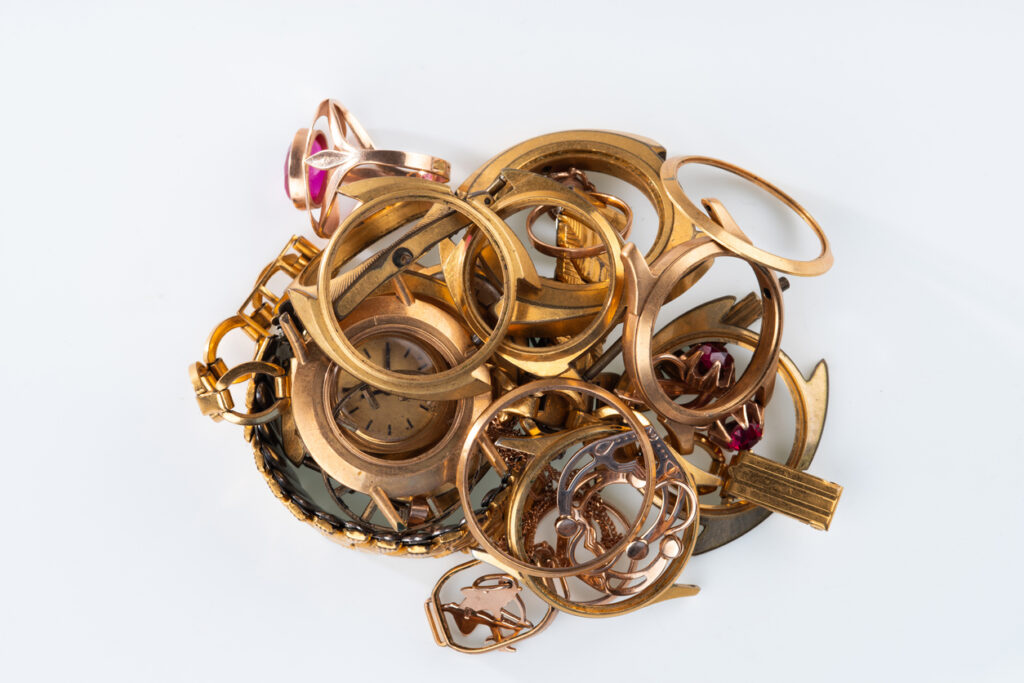
Why Might Buyers Offer a Premium for 10K Scrap Gold?
There isn’t one confirmed industry-wide explanation for these reported offers. However, several market factors could help explain why individual buyers might temporarily offer more competitive terms for certain categories of scrap.
1. Competition Among Gold Refiners
The precious metals recycling industry is competitive.
Refiners purchase scrap gold from pawn shops, jewelry stores, estate buyers, and other businesses. They process the material, recover precious metals, and sell the refined products.
When refiners want to increase their incoming supply, they may adjust purchasing terms to attract additional business.
If a particular refiner wants more 10K material, offering a slightly higher payout percentage could encourage dealers to send their scrap to that company instead of a competitor.
These offers may be temporary and may not reflect broader changes in the underlying value of 10K gold.
2. The Value of Other Metals in Gold Alloys
Here’s where things get interesting.
Ten-karat gold contains more non-gold metals than 14K gold.
Depending on the jewelry’s composition, those metals may include silver, copper, nickel, zinc, or other materials.
Some of these metals have recoverable economic value.
Silver, in particular, is a precious metal with its own market price. Copper also has commercial value.
Could refiners be factoring recoverable byproducts into their purchasing decisions?
Possibly.
However, the amount of each metal varies considerably between manufacturers and jewelry types. Refining costs, recovery methods, and processing losses also matter.
There is no reliable basis for assuming that all 10K jewelry contains enough valuable secondary metals to justify a premium.
Still, alloy composition is one factor that could influence a refiner’s overall economics.
3. Differences in Refining Costs and Efficiency
Not every scrap gold lot is equally expensive to process.
Refiners consider multiple factors when determining purchasing prices, including:
- The quantity and consistency of incoming material.
- Expected precious metal recovery.
- Testing and assay requirements.
- Processing and transportation costs.
- Settlement timing and market risk.
Large, predictable shipments may receive more favorable terms than small or inconsistent lots.
A buyer offering unusually strong rates for 10K gold may be responding to its own processing costs, customer relationships, or inventory needs rather than a fundamental change in gold values.
4. Market Demand and Inventory Management
Precious metal buyers don’t always purchase scrap for immediate refining.
Some accumulate material, combine shipments, or manage inventory based on market conditions.
If a company has a specific purchasing target or wants to maintain volume in a particular category, it may temporarily offer more aggressive rates.
This is similar to how other businesses adjust purchasing prices to meet inventory needs.
It doesn’t mean that 10K gold has suddenly become more valuable than 14K gold on a pure-gold-content basis.
What Does It Mean When a Buyer Offers Full Melt Value?
Perhaps the most surprising part of the discussion involves reports of buyers offering 100% of calculated melt value for stamped 10K gold.
Traditionally, scrap gold buyers pay less than the theoretical gold value because they must account for testing, refining, operating expenses, and profit.
So why would a buyer offer full melt?
There are several possibilities.
First, the offer may depend on a minimum shipment size or established business relationship.
Second, the quoted percentage may be based on a particular pricing benchmark or settlement method rather than the exact live spot price.
Third, additional charges, deductions, or assay adjustments may apply.
Finally, a buyer may intentionally accept a narrow margin on certain material to maintain valuable long-term business relationships.
The important lesson is that 100% of melt value doesn’t necessarily mean the transaction has no costs or conditions.
Customers and dealers should understand how the value is calculated before comparing offers.
Does This Mean Your 10K Jewelry Is Suddenly Worth More?
For people in Rock Island, Galesburg, Macomb, and Clinton who have unwanted gold jewelry tucked away in a drawer, these discussions may raise an exciting question.
Should you sell your 10K jewelry now?
The answer depends on several factors.
Gold’s market price remains one of the biggest influences on what your jewelry may be worth.
When gold prices rise, the value of the gold contained in rings, necklaces, bracelets, earrings, and other jewelry generally rises as well.
However, the price you receive also depends on the item’s actual purity, weight, condition, potential resale value, and the buyer’s purchasing policies.
A 10K gold bracelet that weighs 20 grams may be worth substantially more than a lightweight 14K ring simply because it contains more total gold.
Likewise, certain pieces may have value beyond their metal content.
Designer jewelry, antique pieces, and jewelry featuring valuable gemstones may deserve additional evaluation before being treated as scrap.
That’s why working with an experienced local pawn shop can make a difference.
Don’t Assume the Stamp Tells the Whole Story
Another important consideration is the accuracy of gold markings.
Many pieces of jewelry are stamped with numbers such as 10K, 14K, 417, or 585.
These markings indicate the manufacturer’s stated gold purity.
However, stamps alone are not proof of actual metal content.
Jewelry may have been repaired, altered, plated, or incorrectly marked. Older pieces may also vary in composition.
Professional gold buyers use appropriate testing methods to help determine actual purity.
This matters especially when unusually high payout percentages are being advertised.
An offer based on stamped purity may change if testing reveals a different gold content.
At Pawn Central, customers can bring in their unwanted jewelry for an evaluation rather than relying on assumptions about what a stamp means.

Selling Gold Versus Pawning Gold: Which Makes More Sense?
Not everyone who needs extra cash wants to permanently part with their jewelry.
That’s where understanding the difference between selling and pawning becomes important.
Selling gold means transferring ownership of the item in exchange for an agreed-upon payment. This may be appropriate for broken jewelry, outdated pieces, mismatched earrings, or items you no longer wear.
Pawning gold means using your jewelry as collateral for a short-term loan. You retain the opportunity to reclaim your item by repaying the loan according to its terms.
For someone facing an unexpected car repair, household expense, or holiday shopping budget, a pawn loan may provide an alternative to selling a sentimental piece.
However, pawn loans involve fees and repayment obligations, and collateral may be forfeited if the loan isn’t repaid as agreed.
The right choice depends on whether you want to keep the jewelry and your ability to repay the loan.
Why Local Experience Matters in a Changing Gold Market
Online discussions about scrap gold payouts can be fascinating, but they don’t always tell the complete story.
A percentage offered to a high-volume jewelry dealer may not be available to someone selling a single ring.
Likewise, prices offered by refiners to businesses aren’t necessarily comparable to retail pawn shop purchasing prices.
At Pawn Central, we understand that customers want straightforward information when deciding what to do with their gold.
Whether you’ve inherited jewelry, discovered forgotten pieces in a jewelry box, or are considering selling an old wedding band, understanding the factors that affect value can help you approach the transaction with confidence.
Customers throughout western Illinois and eastern Iowa can benefit from having their jewelry evaluated locally and asking questions about the offer.
You don’t need to become a precious metals expert to make an informed decision.
You simply need to understand what you’re selling, how its value is determined, and what options are available.
Could 10K Gold Continue Receiving Higher Payout Percentages?
It’s possible that individual refiners will continue offering competitive purchasing terms for 10K scrap gold.
However, there is no guarantee that these offers will continue or become standard across the industry.
Precious metal markets change constantly.
Gold prices fluctuate, refinery costs shift, and competition influences purchasing decisions.
What appears to be an unusual premium today may disappear tomorrow.
And while theories about hidden value in 10K alloys are interesting, there is currently no established reason to believe that refiners have discovered some secret ingredient that makes ordinary 10K jewelry inherently more valuable than comparable 14K jewelry.
The most practical explanation is likely a combination of buyer-specific pricing, competition, and refining economics.
For consumers, the takeaway is simple: Compare actual dollar offers, not just advertised payout percentages.

Turn Unwanted Gold Into Opportunity at Pawn Central
With the holiday season approaching, many households are looking for ways to stretch their budgets, manage unexpected expenses, or free up extra cash.
Unwanted gold jewelry may provide an opportunity.
That broken necklace, single earring, outdated bracelet, or ring you haven’t worn in years could still contain valuable gold.
And with precious metals attracting continued market attention, it may be worth finding out what those items are worth.
Pawn Central serves customers at four convenient locations:
Rock Island, Illinois
Serving customers throughout the Quad Cities area.
Galesburg, Illinois
Helping local residents explore the value of their unwanted jewelry.
Macomb, Illinois
A convenient local option for selling or pawning eligible valuables.
1 cosa genial que hacer en Clinton, Iowa | Let’s Roam
Clinton, Iowa
Serving customers looking for practical options for their gold and jewelry.
4.4
4.2
Whether you’re interested in selling scrap gold, exploring a pawn loan, or shopping for affordable pre-owned jewelry, Pawn Central is ready to help you explore your options.
Final Thoughts: The Real Story Behind 10K Gold
The recent discussion about 10K scrap gold receiving higher payout percentages than 14K gold highlights something important about the precious metals industry.
Gold value isn’t determined by purity alone when it comes to real-world buying and selling transactions.
Competition, refining expenses, purchasing volume, secondary metals, and individual buyer policies can all influence the final offer.
But the basic science hasn’t changed.
Fourteen-karat gold still contains more pure gold per gram than 10-karat gold.
What may be changing is how certain buyers choose to price the scrap they purchase.
For consumers, that’s a reminder to stay informed, ask questions, and understand the difference between theoretical melt value and actual cash offers.
Have gold jewelry you no longer wear? Visit Pawn Central in Rock Island, Galesburg, Macomb, or Clinton and find out what your gold may be worth.
Pawn Central — Your Local Resource for Gold, Jewelry, Pawn Loans, and More.